WSU researchers use ‘citizen science’ to understand how grasses adapt to their environment
New research on genes that control the flowering time of switchgrass has potential implications for conservation and the production of biofuels.

New research on genes that control the flowering time of switchgrass has potential implications for conservation and the production of biofuels.
From finding an internship to leadership opportunities, scholarships, and more, CAHNRS is committed to helping its students flourish while achieving their academic and personal goals in the new school year.

The mid-summer heat didn’t deter a consistent stream of foodies from stopping by the Cougar-themed tents at this year’s Crave! Northwest festival.

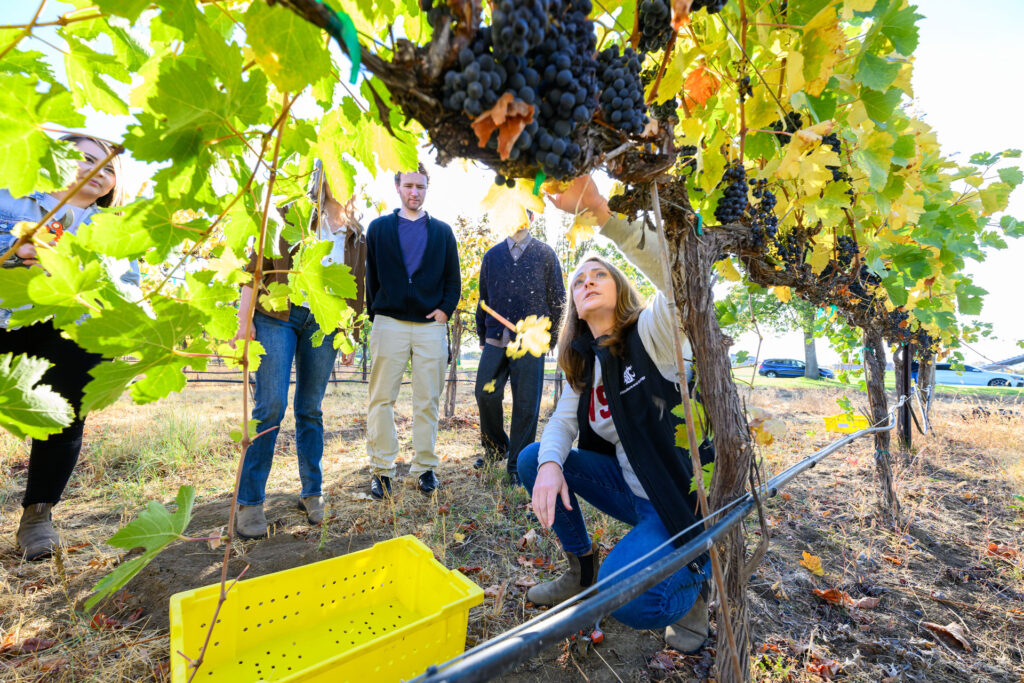
The new findings could help grape growers improve nutrient use efficiency and develop a more accurate fertilizer budget, helping ensure high fruit quality, vineyard productivity, and long-term economic and environmental sustainability.

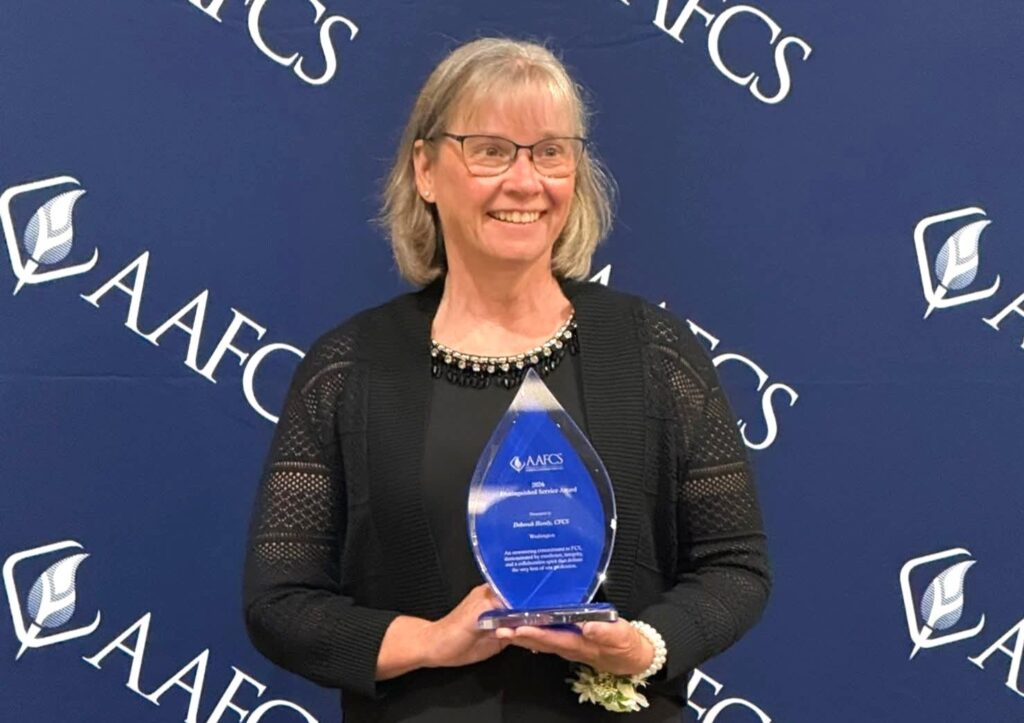
Debbie Handy, scholarly professor in WSU’s human development department, recently received the Distinguished Service Award from the American Association of Family and Consumer Sciences.
A new study from WSU researchers suggests that social media influencers have an opportunity to educate consumers about excessive packaging and hold companies accountable.

Offered via the university’s Tri-Cities campus, the new master’s degree helps solidify WSU as a global leader in graduate-level wine science research by preparing students for successful careers in an evolving industry.
The new $150,000 endowment will primarily support educational experiences for students, including paid internships. It will also help the farm cover staff and equipment costs.

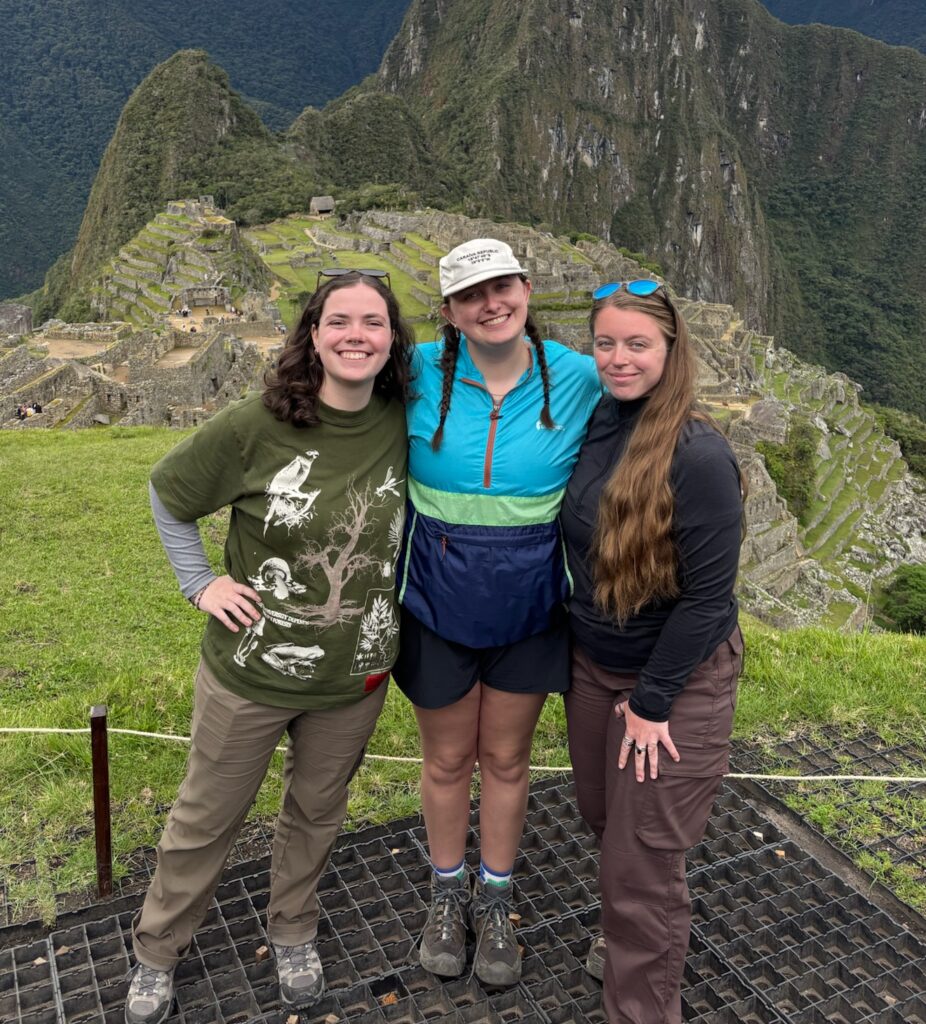
During a trip to South America, three WSU students learned firsthand about Peru’s water resource management and Indigenous practices.
CAHNRS outstanding seniors, emerging leaders, clubs, and more were recognized during a western-themed student awards ceremony.