Inaugural Dean’s Faculty Fellow awards support nine high-impact research, teaching, and outreach projects

Nine scientists in CAHNRS are launching high-impact educational experiences, research into complex challenges, and outreach that improves lives through a new fellowship program.

Photo illustration showing nine headshots of the fellows

New from Extension: Feasibility guides to growing sweet Washington cherries

The four latest guides from Washington State University Extension can help Washington cherry growers understand the feasibility of growing and packing different varieties of sweet cherries.

Cherries stock image

WSU’s Singh contributes to National Academies report on climate change, extreme weather

The warming climate fosters hotter temperatures, more intense storms, larger wildfires, and longer droughts, among other extremes. But how much does human-caused climate change influence a specific event such as a heat wave or storm?

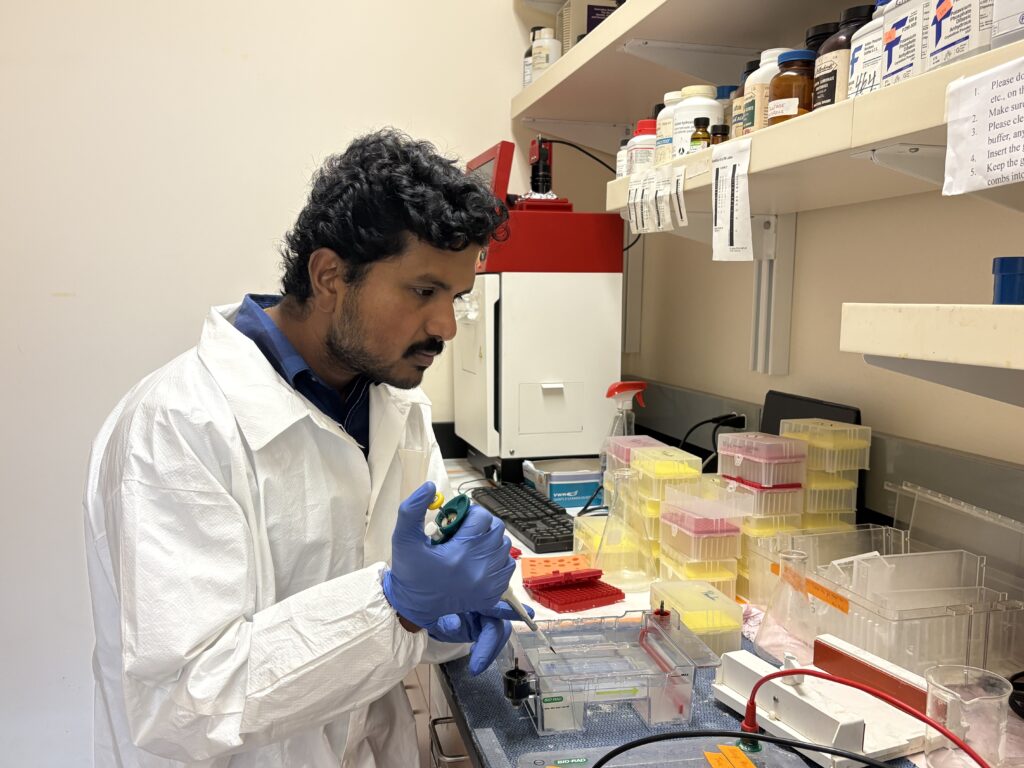
Deepti Singh in lab

Three CAHNRS faculty named to the Washington State Academy of Sciences

Three scientists in the College of Agricultural, Human, and Natural Resource Sciences are newly named members of the Washington State Academy of Sciences for 2026.

Illustration - Lindsey du Toit, Girish Ganjyal, Mark Lange

CAHNRS Cougs, Cosmic Crisp® apples bring community together for USA 250th party

Sarah and Steve Vining, a married couple with proud links to Washington State University’s College of Agricultural, Human, and Natural Resource Sciences, invited their lakeside community to a floating celebration that connected the nation’s 250th birthday, Cougar pride, and Washington’s own Cosmic Crisp® apple.

Apple pickup group photo

Students compete to solve clothing rental company Armoire’s real-world challenge

Growing numbers of stylish but thrifty dressers are choosing to rent their wardrobes. Students put their knowledge of these consumers to the test in a competition judged by Seattle-based Armoire.

Pop-Up Shops team

New from WSU Extension: Enhancing conifer survival with debris and understanding why bee colonies fail

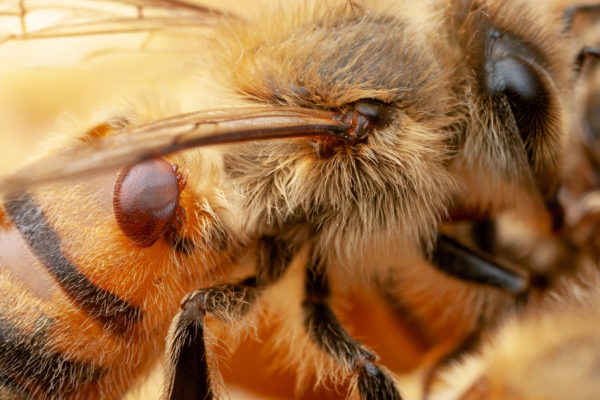
The latest guides show how woody debris provides an ideal microsite for future generations of conifers and help beekeepers understand the many stressors that cause a honey bee colony to collapse.

Tractor in field- mulch work

108th Lind Field Day to help growers during challenging season

Scientists will walk dryland grain growers through discoveries that could save fuel, fertilizer, and other input costs at WSU’s longest-running field day.

Carter speaking, with about 40 tour members nearby, standing in a maturing wheat field, with the Lind station, trees, and parked cars in the far distance.

Professor’s global impact on energy security featured by Fulbright France as part of America’s 250th anniversary

The Franco-American Fulbright Commission spotlighted Bin Yang’s global partnerships in sustainable fuel science as part of celebrations marking the 250th anniversary of the U.S.A.

Yang, in cycling gear with bicycle, smiling in an urban riverside scene.

Latest Extension publication: Managing odorous house ants

A newly revised publication from WSU Extension can help homeowners identify and manage a stinky insect pest found throughout North America: the odorous house ant.

Closeup of an Tapinoma sessile ant walking on green grass