The latest online guides from Washington State University Extension help Washingtonians protect cherry crops and wild pollinators, conserve water, and use pesticides safely, among other topics.
Through the Extension Publications Store website, experts from WSU and partner institutions share a wide range of resources aimed at farmers, gardeners, homeowners, and other communities, in both English and Spanish. The storefront includes a list of recent products.
Newly released guides include:
A Citizen Science Guide to Wild Bees and Floral Visitors in Western Washington (EM110E)
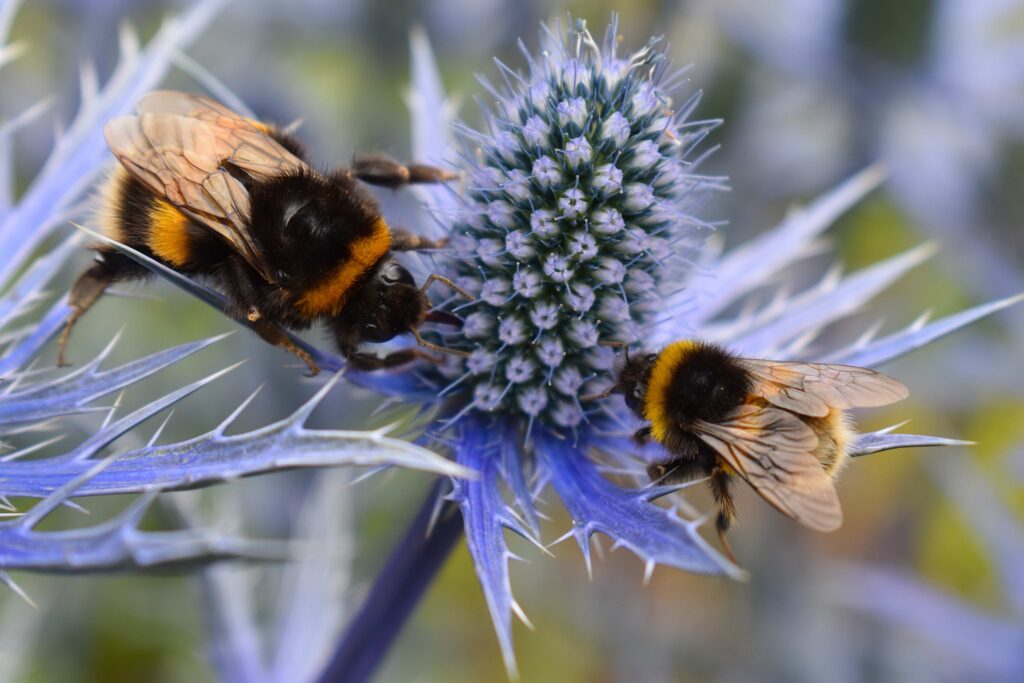
Wild bees and other pollinators are critical for our natural and managed ecosystems. Part of the Home Garden Series, this revised publication provides tools to identify and monitor bees and other floral visitors in the Puget Sound region. Authors include graduate research assistants Elias Bloom and Rae Olsson and Professor David Crowder, WSU Department of Entomology.
Irrigating to maintain a lawn while also reducing water use is a challenging task. Lawns can include a complex mixture of plant types, shaded and sunny areas that vary by season, slopes, and soil competition. All this affects the amount of water that plants use and how much water you need to apply. Written by WSU Extension Agronomist Andrew McGuire, this newly revised publication can help eastern Washingtonians maintain their lawns, save money, and conserve water.
X-Disease Phytoplasma (Western X) in Washington (FS401E)
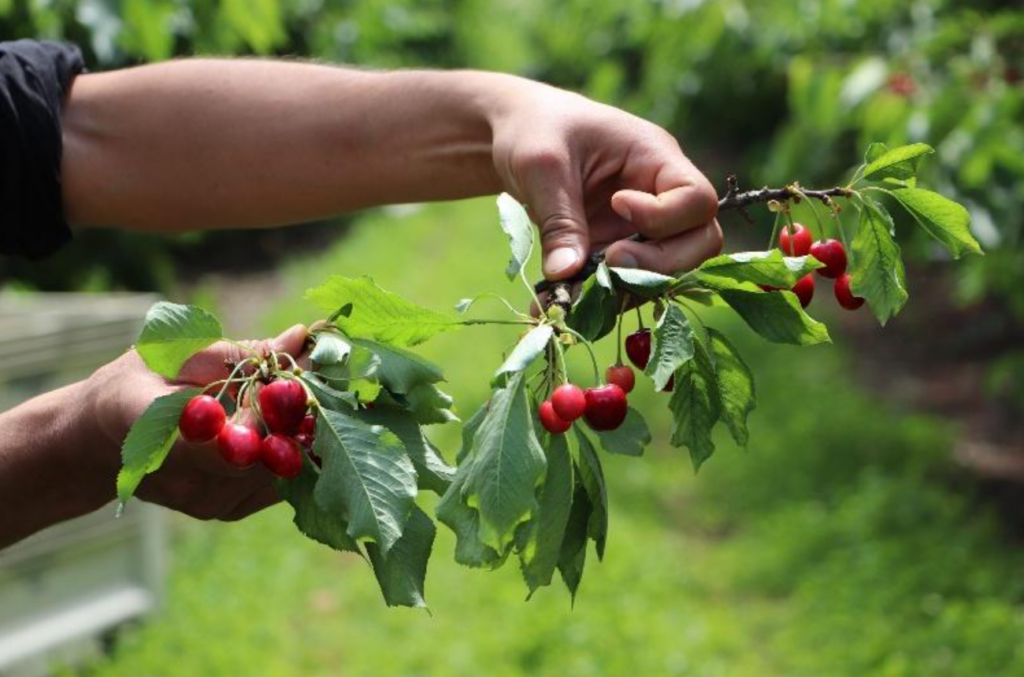
X-disease is the main cause of small, pale, tasteless, and unmarketable cherries in Washington. Learn to identify the symptoms, understand the disease’s range and vectors, explore testing options, and review effective management strategies to better protect cherry orchards. Authors include Associate Professor and Extension Specialist Tianna DuPont; Plant Pathology Associate Professor Scott Harper; Entomology Associate Professor Tobin Northfield; Assistant Professor Louis Nottingham; USDA Research Scientists Adrian Marshall and Rodney Cooper; Tree Fruit Extension Educator Corina Serban; and Associate Professor and Extension Specialist Bernardita Sallato.
The Produce Safety Rule sets science-based standards aimed at reducing microbial contamination during the growing, harvesting, packing, and holding of fruits and vegetables. This assessment helps professionals identify conditions that could introduce microbial hazards. Authors are Assistant Professor and Extension Specialist Claire Murphy and Professor Meijun Zhu, WSU School of Food Science, and Washington Tree Fruit Research Commission Executive Director Ines Hanrahan.
Pesticide training manuals
Washington Pesticide Demonstration and Research Manual (EM132)
This new 32-page manual written by Extension Coordinator Adrienne Burke supports those seeking licenses needed for restricted- or experimental-use pesticides used in demonstration and research purposes. It provides the foundation for the Washington State Department of Agriculture’s Demonstration and Research exam. Cost is $9.
Pest Management Study Manual for Pest Control Operators (EM019)
This revised guide helps beginning pest control operators prepare for their Washington state pesticide licensing exams. Authors included Extension Entomologist Art Antonelli, Extension Pesticide Education Specialist Carol Black, Urban IPM Coordinator Carrie Foss, WSDA Statewide Pest Control Operator Specialist Daniel Suomi, and Entomology Adjunct Professor Terry Whitworth. Cost is $23.10.