Each month, experts from Washington State University Extension release guides that inform agriculture in Washington and beyond.
The latest Extension publications explore conservation grazing principles for livestock producers, help the tree fruit industry effectively grow the Cosmic Crisp® apple variety, protect against foodborne illness, and aid beekeepers facing resistant pests.
Find more guides and topics at the Extension Publications Store.
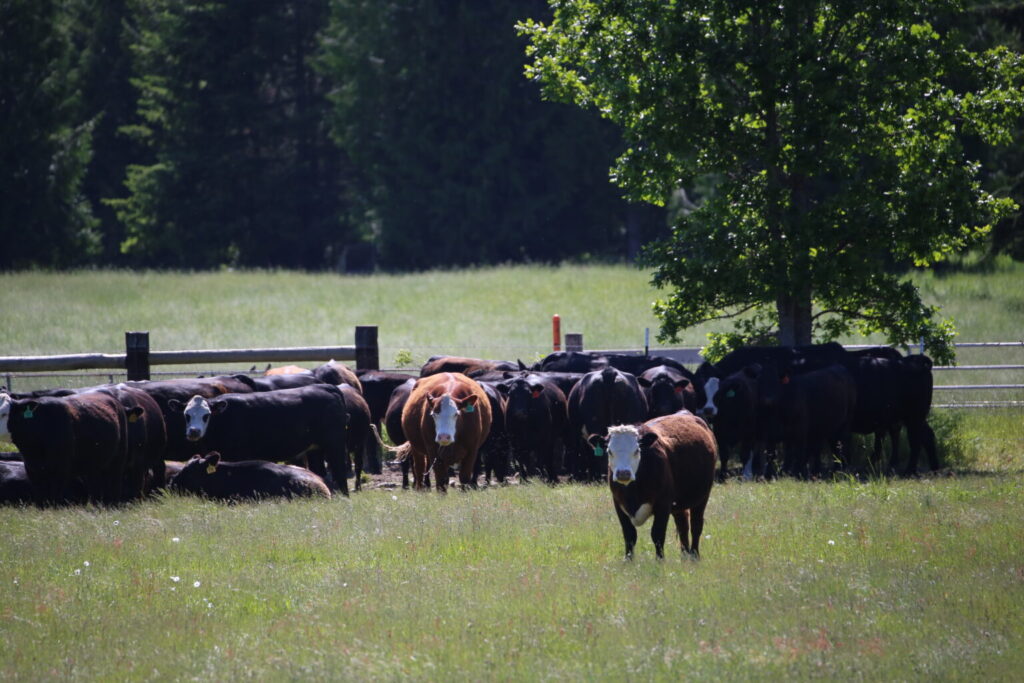
Learn what conservation grazing is and how it can balance the seemingly contradictory goals of ecosystems benefits, livestock production, and grazing land restoration. This detailed guide defines practices and discusses how to develop conservation grazing plans. Authors include Stephen Bramwell, WSU Extension Associate Professor; Sarah Hamman, Director of Science at the Ecostudies Institute; Marty Chaney, Pasture Management Specialist with the Natural Resources Conservation Service; Sierra Smith, WSU Extension Regional Agriculture Faculty; and Taylore Straight, WSU Regional Extension Educator.
Intended for Washington growers of WA 38, the WSU apple variety marketed as Cosmic Crisp®, as well as orchard managers and researchers interested in the cultivar, this publication covers pruning, training systems, rootstocks, and replanting practices to improve orchard performance and fruit quality. Authors include Stefano Musacchi, Professor and Endowed Chair of Tree Fruit Physiology and Management; Karen Lewis, Extension Regional Specialist; Bernardita Sallato, Associate Professor and Tree Fruit Extension Specialist; Tianna DuPont, Associate Professor and Tree Fruit Extension Specialist; Lee Kalcsits, Professor and Endowed Chair of Environmental Tree Fruit Physiology and Management; and Sara Serra, former WSU Research Associate Professor, now an assistant professor at Pennsylvania State University.
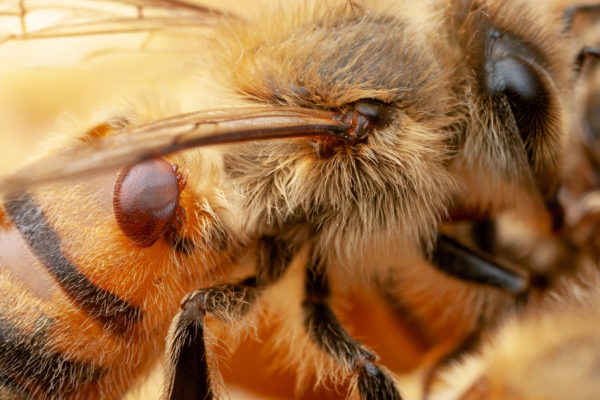
Emergence of Amitraz-Resistant Varroa: What Beekeepers Should Know and How to Respond (FS411E)
The varroa mite is the most damaging global pest of the honey bee. This Extension publication addresses the recent emergence of Varroa resistance to the chemical treatment amitraz, which is of serious concern to U.S. beekeepers, and explains how to test for resistance and protect bee health. Authors are Allyson Martin, WSU Postdoctoral Research Associate; Briana Price, Education and Outreach Coordinator; Frank Rinkevich, USDA-ARS Research Entomologist; Priyadarshini Chakrabarti, Assistant Professor of Pollinator Health and Apiculture; and Brandon Hopkins, P.F. Thurber Endowed Distinguished Professor of Pollinator Ecology.
Listeria monocytogenes is a foodborne pathogen that can cause serious, sometime life-threatening illness. Aimed at cherry packinghouse operators and managers, this publication provides guidance to strengthen environmental monitoring, identify potential Listeria harborage sites, and reduce contamination risks. Authors are Swapnika Medikonda, Graduate Research Assistant; and Claire M. Murphy, Assistant Professor and Extension Specialist.