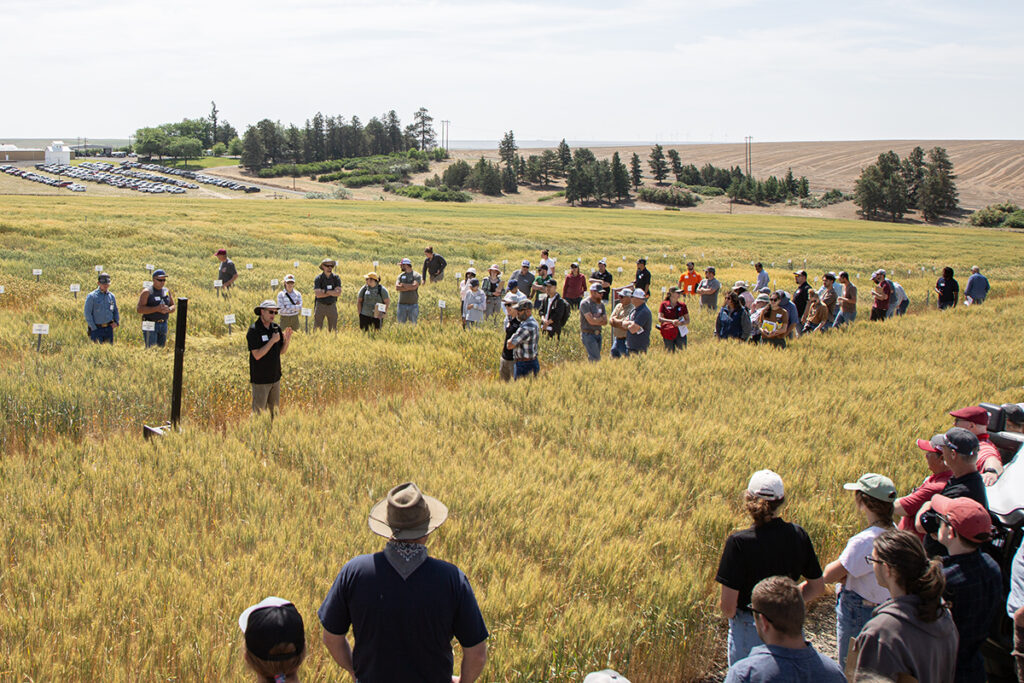
Scientists will walk dryland grain growers through discoveries that could save fuel, fertilizer, and other input costs at Washington State University’s longest-running field day.
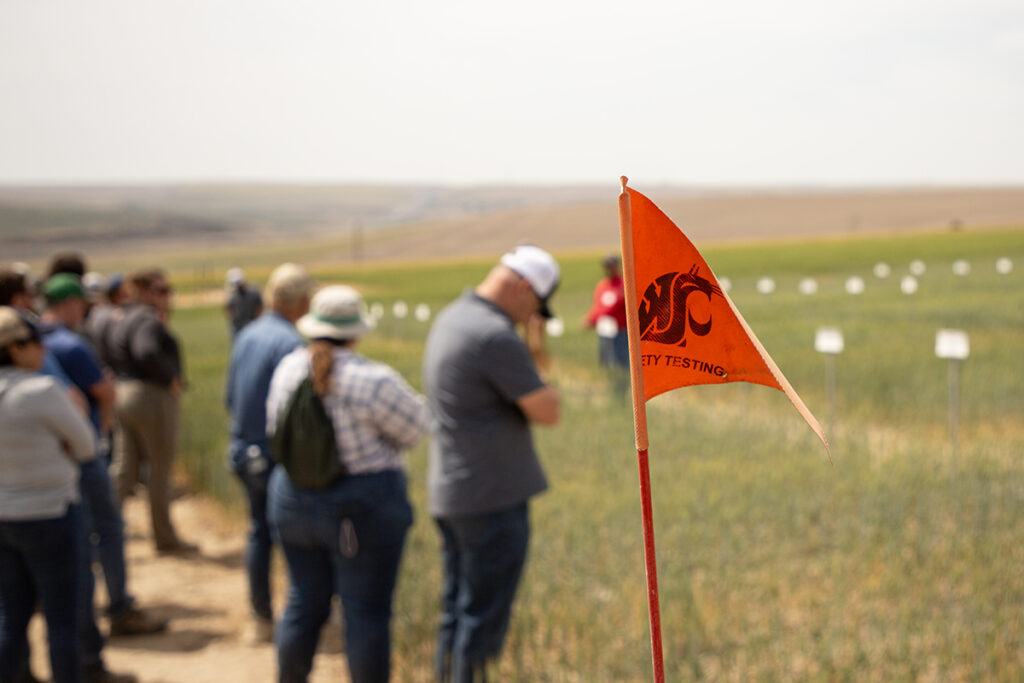
The 108th annual Lind Field Day, Thursday, June 11, at Lind Dryland Station, gives producers in Washington’s low-rainfall grain country a look at new varieties and current research. A special focus for 2026 is on practices that may help farms stay competitive.
“Minimizing input costs and maximizing profitability is the unofficial theme for this year,” said Surendra Singh, Lind Station Director.
A warm, wet crop year and the wettest April in over a century of records, compounded with rising farm input costs, have made this a very atypical year for dryland growers. Field day presentations address some of the challenges posed by these conditions.
Agronomist Aaron Esser and grower stakeholder Derek Schafer will present on precision weed control, which can help conserve sprays, as well as no-till drilling to prevent erosion.
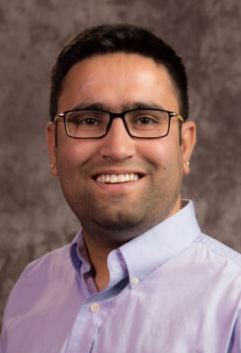
“We have a practical perspective from Derek on the conservation tillage journey: what that was like for him and how he modified approaches to meet unique challenges on his farm,” Singh said.
Singh will present an ongoing study of commercial products and soil amendments sold to boost crop performance or as alternatives to fertilizer. Products chosen via a grower survey will be tested against a control over next three years at Lind and Wilke Research Farm, funded by the Washington Grain Commission.
“Do these products offset your cost, time, and fuel? That’s what we want to find out,” Singh said.
With dryland growers diversifying their rotations with nitrogen-fixing legumes, Extension agronomist Morgan Menaker will discuss fungicide efficacy in peas; this work helps farmers conserve spray costs. Entomologist David Crowder will share understanding on insects that affect winter crops like peas and wheat. Wheat breeders Arron Carter and Michael Pumphrey will tour growers through current trials for winter and spring varieties.
The field day includes a hosted lunch and noon program featuring Raj Khosla, Cashup Davis Family Endowed Dean of the WSU College of Agricultural, Human, and Natural Resource Sciences; Washington Grain Commission chair Kevin Klein; Washington State Sen. Mark Schoesler; Washington Association of Wheat Growers President Gil Crosby; and Department of Crop and Soil Sciences chair Lynne Carpenter-Boggs.
“Lind Field Day is a great opportunity for growers and the public to learn about agricultural research and see the land-grant mission in action,” Khosla said. “It’s also unique in providing updates from university, industry, and legislative partners at a single field-day location.
“Importantly, participants will hear how we are advancing solutions for dryland cropping systems under increasingly limited rainfall conditions — translating research into practical strategies that growers can apply,” the dean added. “I encourage all dryland producers to join us. See you all there.”
An ice cream social with products from the WSU Creamery closes the day.
Lind Station’s team is growing. Two doctoral students joined the station this spring, and Surendra Singh and assistant professor Shikha Singh are hiring one master’s student apiece to support ongoing research. Steven Schofstoll, who has served the station as a research technician for 30 years, will retire in June.
The station has also launched a new soils lab featuring state-of-the-art instruments that measure microbial activity, chemistry, and other soil health indicators. This new money- and time-saving lab will also help train the next generation of scientists.
“That’s exactly what a research station is supposed to do,” Singh said. “Our focus is on research, training, and supporting the local farming community.”
Lind Dryland Station is located at 781 Experiment Station Rd 781 E, Lind, Washington. Registration begins at 8:30 a.m., with the field tours starting at 9 a.m. Admission is free.
For information, contact program specialist Samantha Crow at (509) 677-3671 or samantha.crow@wsu.edu
• Contact: Surendra Singh, Lind Dryland Station Director, (509) 677-3256, surendra.singh@wsu.edu.