PULLMAN, Wash. — David Crowder majored in computer science and didn’t take a single biology class as an undergraduate student.
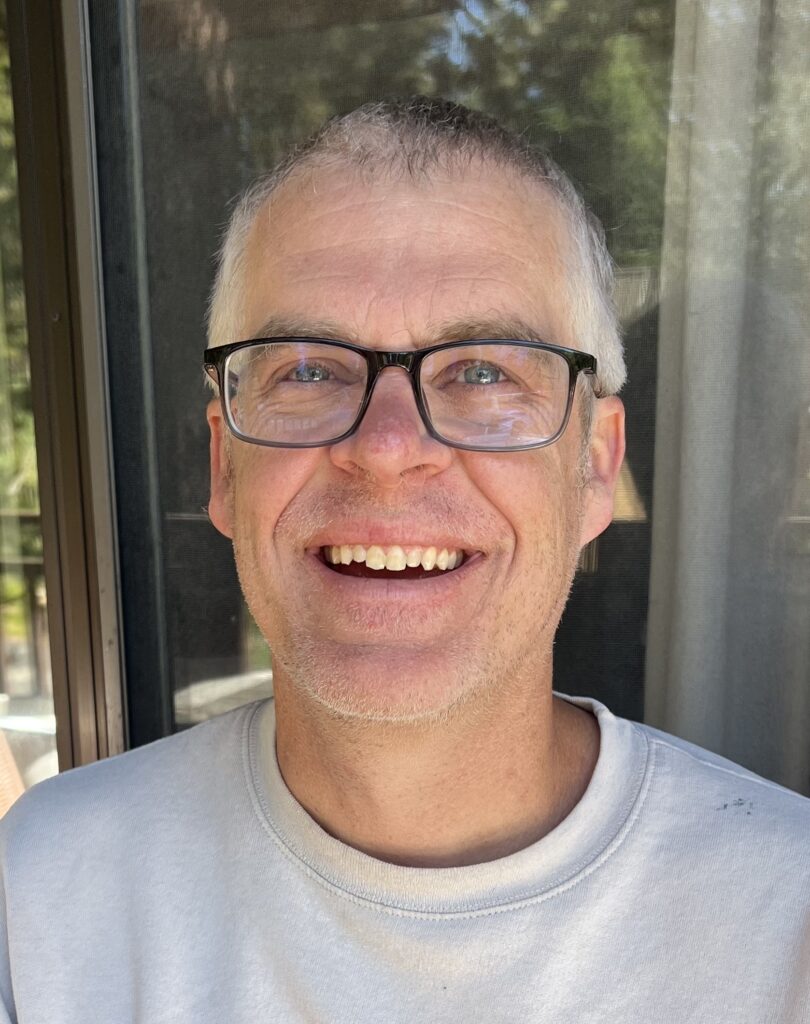
Now a professor in Washington State University’s Department of Entomology, Crowder has been elected as a fellow in the Entomological Society of America.
“I had a few interactions with professors that totally altered my life,” he said. “The honor of being elected as a fellow is humbling, but I think it shows the importance of the work that the people in my lab and I have done.”
From undergraduate students to graduate students, post-docs, and even younger faculty, Crowder said guiding others has been the highlight of his career.
“As a full professor myself now, I realize that I can have an impact on any student in my courses,” he said. “Even if they don’t pursue entomology, I can help guide them to realize they have a skill that they maybe didn’t recognize they have.”
Dedication to helping students learn and advance their career potential is important at WSU.
“Election as a fellow of the Entomological Society of America is among the highest honors in the profession and reflects both scientific excellence and lasting impact” said Raj Khosla, Cashup Davis Family Endowed Dean of WSU’s College of Agricultural, Human, and Natural Resource Sciences. “Dr. Crowder exemplifies the very best of our faculty through his innovative research, commitment to solving real-world challenges for agriculture, and dedication to mentoring the next generation of scientists.”
Crowder’s lab published 24 scientific papers last year, many including undergraduate or graduate students as co-authors.
“Since I heard about this election as a fellow, I’ve been reflecting on how hard the work is, and also how an individual can’t achieve something like this alone,” he said. “You need to build a lab and find smart, interesting people to work toward a common goal.”
As a student, Crowder was involved in research projects that explored genetically modified organisms, which led him to get a master’s degree in environmental science. Mentors suggested that he should study insects to advance his career, so he went on to earn a PhD by researching invasive insects affecting cotton.
“I’m mostly attracted to solving puzzles,” Crowder said. “I don’t think I’ve worked on the same topic for more than five years in a row. The process of finding solutions to the unknown is fascinating to me.”
His lab’s current research topics are largely focused on processing weather data to develop predictions. Growers can use those predictions to know when to use pest-fighting methods, making them more effective and less wasteful.
The work largely focuses on tree fruits and potatoes but is expanding to include almond growers in California. His lab is also working on pest management practices in 15 states, Crowder said.
He likes that his lab’s research is having a wider impact and helping more people, but he still prioritizes interpersonal relationships.
“I think more about how to effectively share my experiences and guide others at this point,” Crowder said. “I’m still relatively in the middle of my career, and I’m always looking for new topics to cover, but helping people less experienced than me is what I cherish most.
“When I was 25, this is exactly where I thought I’d be at this point in my career,” he said. “That’s pretty cool.”