The latest guides from Washington State University Extension show how woody debris provides an ideal microsite for future generations of conifers and help beekeepers understand the many stressors that cause a honey bee colony to collapse.
A newly revised publication lets farmers dig into the benefits of plastic mulch that can break down in the soil.
Through the online Extension Publications Store, experts from WSU and partner institutions share a wide range of resources aimed at farmers, gardeners, youth and families, homeowners, and other communities, in both English and Spanish. The storefront includes a list of recent products.
New publications
Honey Bee Colonies That Fail to Overwinter Have a Tale to Tell (FS408E)
There are many reasons why a honey bee colony may not survive the winter. Some are not always obvious. Beekeepers in the Pacific Northwest can use this publication to help determine the cause of colony failure.
Authors include Dewey Caron, University of Delaware Emeritus Professor of Entomology & Wildlife Ecology; Briana Price, WSU Extension Coordinator, and Priya Chakrabarti Basu, WSU Assistant Professor of Pollinator Health and Apiculture.
Woody Debris Microsites Enhance Conifer Seedling Survival During Extreme Summer Heat (TB112E)
Fallen, dead wood is sometimes considered a nuisance and a fire hazard, but many now recognize its ecological value. Learn about the “microsite effect” and how planting tree seedlings near fallen logs can increase their chances of survival. These sites offer cooler, moister conditions during the growing season.
Authors are former WSU forestry faculty member Mark Swanson, now Oregon State University Starker Chair of Family Forestry, and Margaret Magee, former WSU master’s student and now an Oregon State College of Forestry doctoral student.
Revised publications
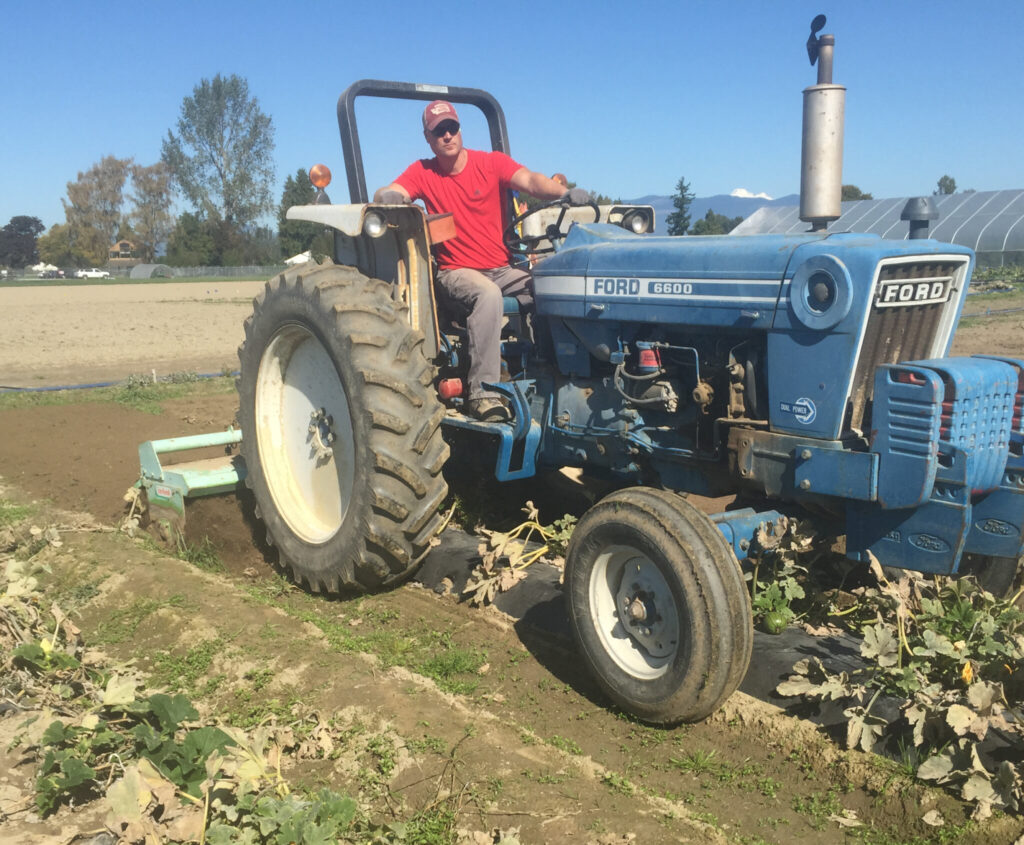
Soil-Biodegradable Plastic Mulch: Suitability for Sustainable and Organic Agriculture (FS103E)
Used in farming worldwide, polyethylene mulch is hard to dispose of and hard on the environment. Discover soil-biodegradable plastic mulch and learn more about it as a viable alternative to conserve moisture, control weeds, and aid crops.
Authors are Shuresh Ghimire, University of Connecticut Associate Extension Educator; WSU Department of Horticulture Professors Carol Miles and Lisa DeVetter; Douglas Hayes, Professor, University of Tennessee Biosystems Engineering and Soil Science; and Markus Flury, Professor, WSU Department of Crop and Soil Science.