PULLMAN, Wash. — Native grasses bred at Washington State University could assist conservationists in pushing back invasive plants choking wetlands in Idaho and Washington.
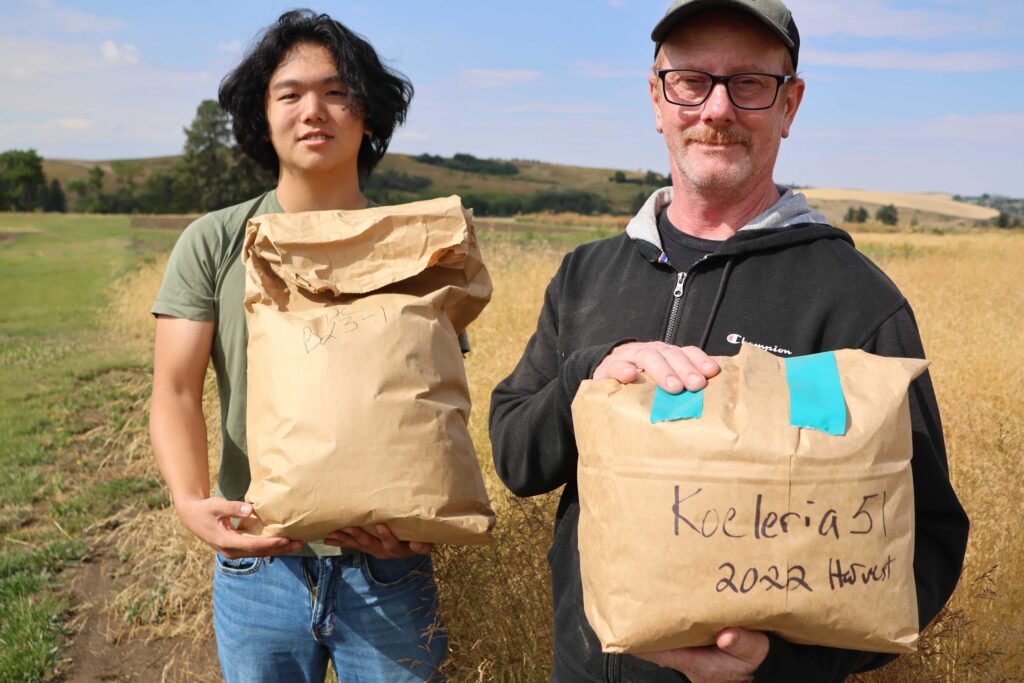
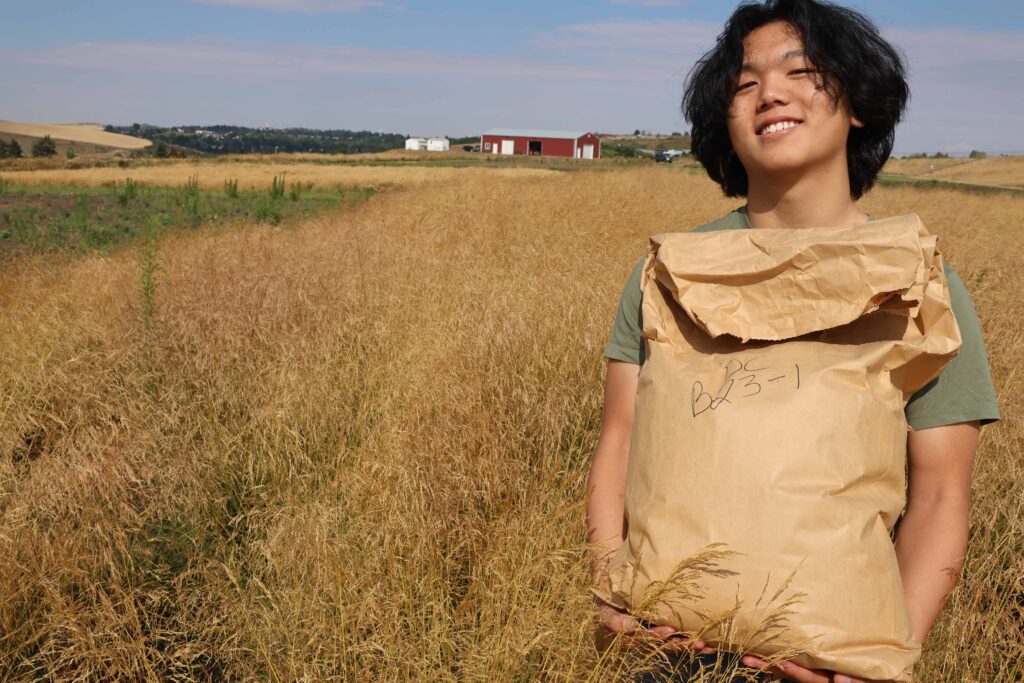
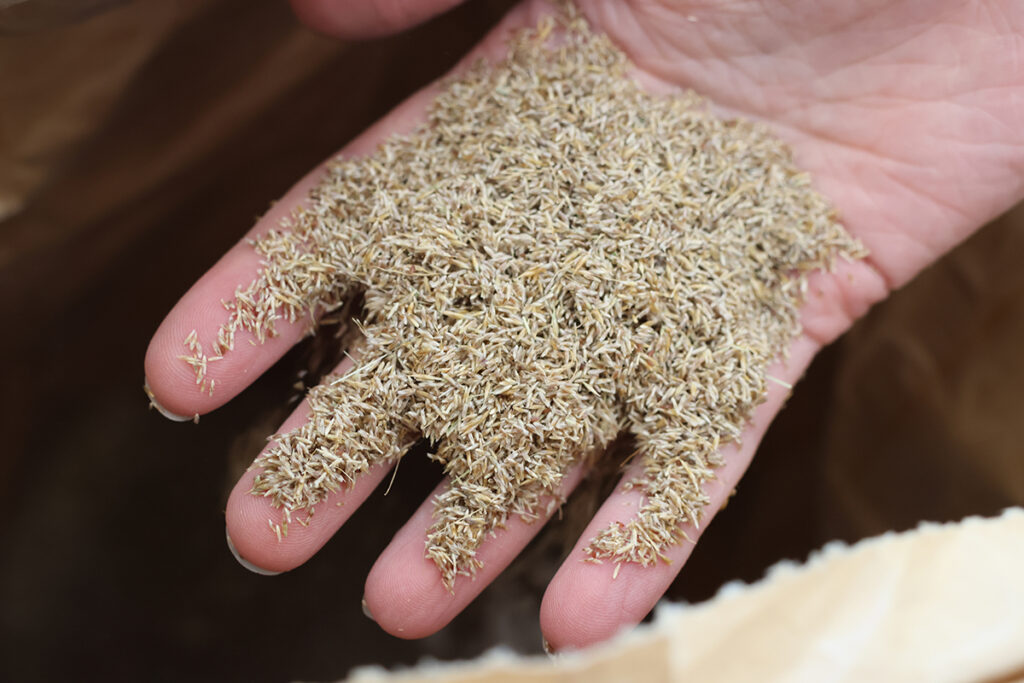
Members of the Idaho Native Plant Society‘s White Pine Chapter partnered with Michael Neff, grass breeder and professor in WSU’s Department of Crop and Soil Sciences, to obtain a seed supply of tufted hairgrass. The chapter will plant this native grass to compete with reed canary grass, a tenacious invader that hogs water and crowds out beneficial plants.
“Tufted hairgrass seed is extremely desirable and hard to come by,” said Neff, who studies and grows a variety of turf, forage, ornamental, and land-restoring grasses at the WSU Grass Breeding and Ecology Farm in Pullman.
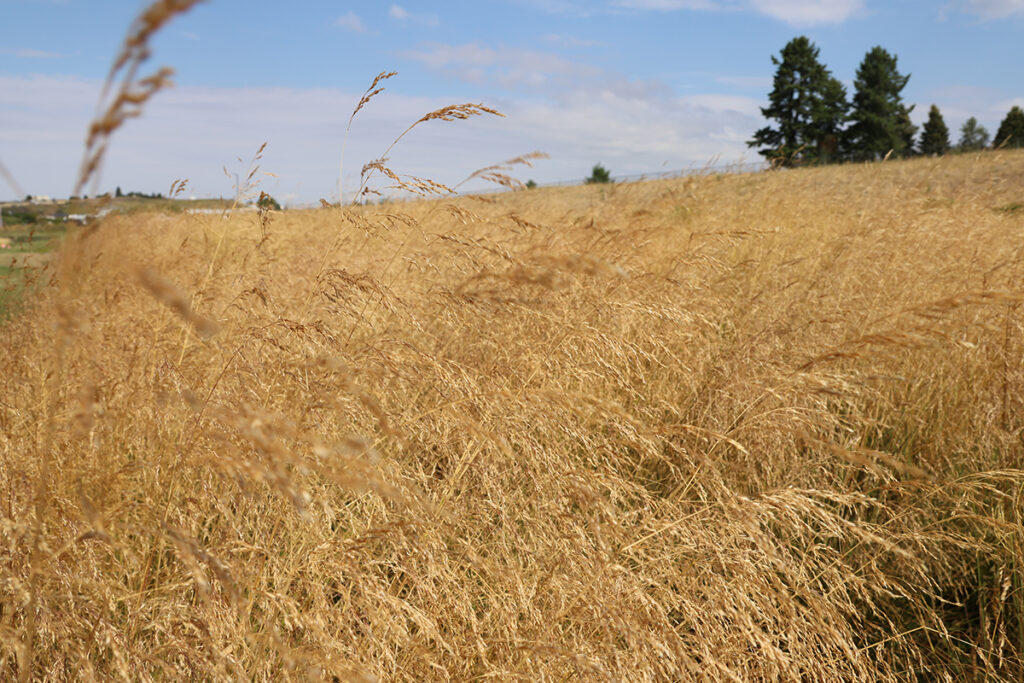
Found wild throughout North America from ocean beaches to 4,000-foot timberlines, tufted hairgrass is prized in landscapes for its tall, fluffy tufts and used as a landscape restorer in moist prairies and marshes. But it’s not a prolific seed producer; Neff is working to breed high-yielding varieties using seeds sourced from the U.S. Department of Agriculture’s Pullman gene bank as well as wild plants.
The partnership with the chapter, a nonprofit organization promoting naturally occurring plants in the Palouse region of Washington and Idaho, came about after Neff applied to their small grants program to support his native grass work.
“These grasses will be used in a different way from many of Michael’s other grasses,” Chapter President Penny Morgan said. “They’ll help us conserve native plants in wetlands and other areas that we’re trying to help.”
Remnants of habitats that were once much more widespread, Palouse wetlands play an important role in the regional ecology. They provide homes and food for many birds, amphibians, and insects, while also filtering runoff and boosting water quality.
Reed canary grass became a dominant invader of the region’s streams and moist prairies when introduced in the early 1900s.
“It’s a bully of a grass,” Chapter Conservation Chair Judy Ferguson said. Spreading by its roots, it sucks up the critical spring and summer moisture that native plants depend on. “It is one of the most pernicious, difficult plants to remove.”
Moisture-tolerant hairgrass thrives in similar conditions but doesn’t self-pollinate. Neff is providing a selection of this grass, pollinated or ‘crossed’ with high-yielding specimens found locally and in Colorado, as well as another native, drought-tolerant prairie June grass, that are grown as part of his breeding program.
“Some of these are gorgeous ornamentals,” Neff said. “They’re beautiful. I get excited about how useful these can be for land reclamation, for ornamental landscapes, and their potential for turf.”
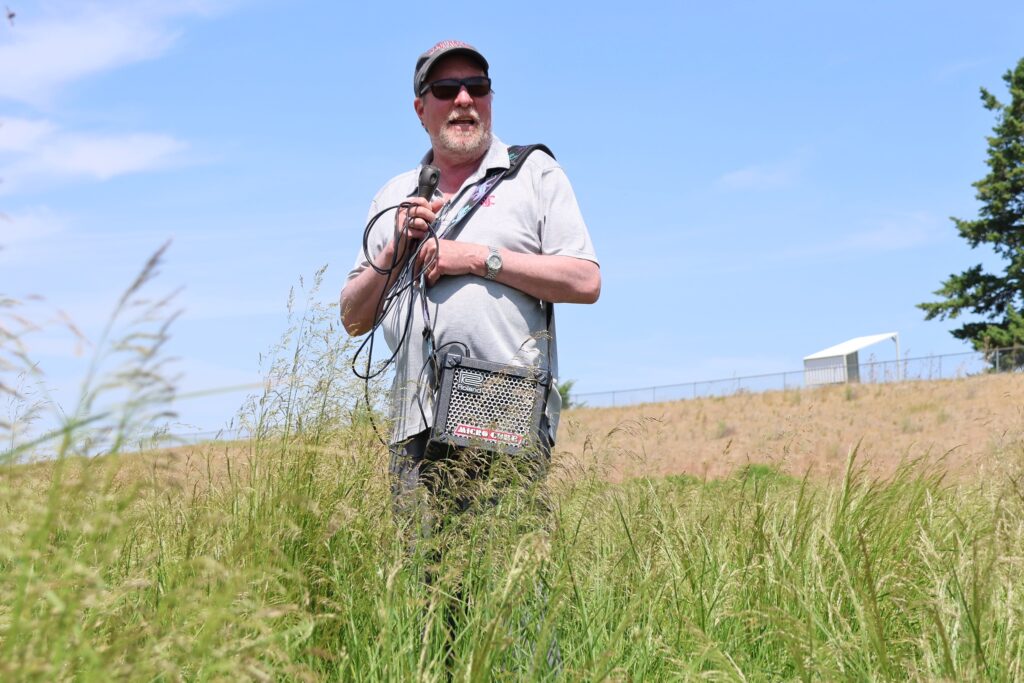
This fall, volunteers will remove canary grass and seed hairgrass at wetlands and ponds near Pullman as well as Genessee and Princeton, Idaho.
“We’re really excited to have these grasses,” Morgan said. “If they can compete enough with reed canary grass to give other native plants a chance, it could give landowners hope.”
It may take a few years to understand the effectiveness of the approach. The partners plan to observe their plantings and fine-tune their methods and seeding densities over time.
“I want to go back to these sites, select some of the best specimens, and bring them back into the breeding program,” Neff said.
The partnership shows the impact that grass breeding can have on the human and natural environment.
“Grass is important for land reclamation, food, forage, and turf,” Neff said. “I want to work with as many of the end users of these grasses as possible.”
For chapter members, protecting native plants that contribute to soil health and natural beauty helps make their region more resilient.
“Native plants are a vital part of the Palouse,” Morgan said.
• Contact: Michael Neff, Professor, WSU Department of Crop and Soil Sciences, mmneff@wsu.edu, (509) 335-7705.