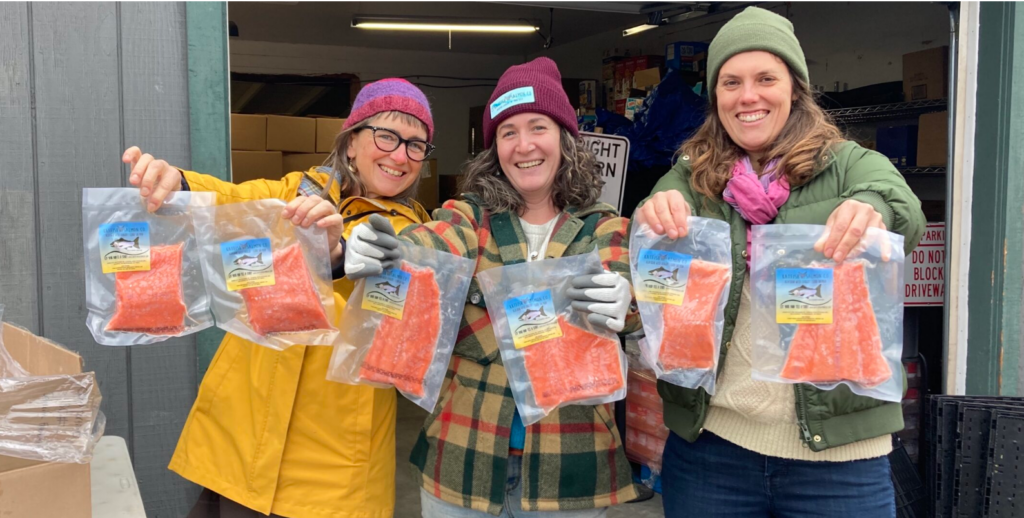
OLYMPIC PENINSULA, Wash. — Washington State University Extension specialists are transforming food systems to address food insecurity on the northern Olympic Peninsula, thanks to a new USDA grant.
It’s part of an effort to support local farmers and increase regional food availability.
“We are leveraging food bank aggregation and distribution infrastructure to route food to schools, improving supply chain efficiency,” said Danielle Carson, community health program coordinator for WSU Clallam County Extension. “By connecting farmers to nearby schools, food banks, and nonprofits via wholesale contracts, we are enriching school meals, benefitting the ag economy, and increasing food security.”
According to the 2022 U.S. Census, 12% of people in Jefferson and Clallam Counties live in poverty, 2% higher than the state average. Childhood food insecurity is higher still at around 20% for the two-county region.
“Schools are the largest food service operation in any community and can have an immense economic impact,” Carson said. “But they are often underfunded and understaffed, making it difficult to source from regional farms. This project is bridging that gap.”
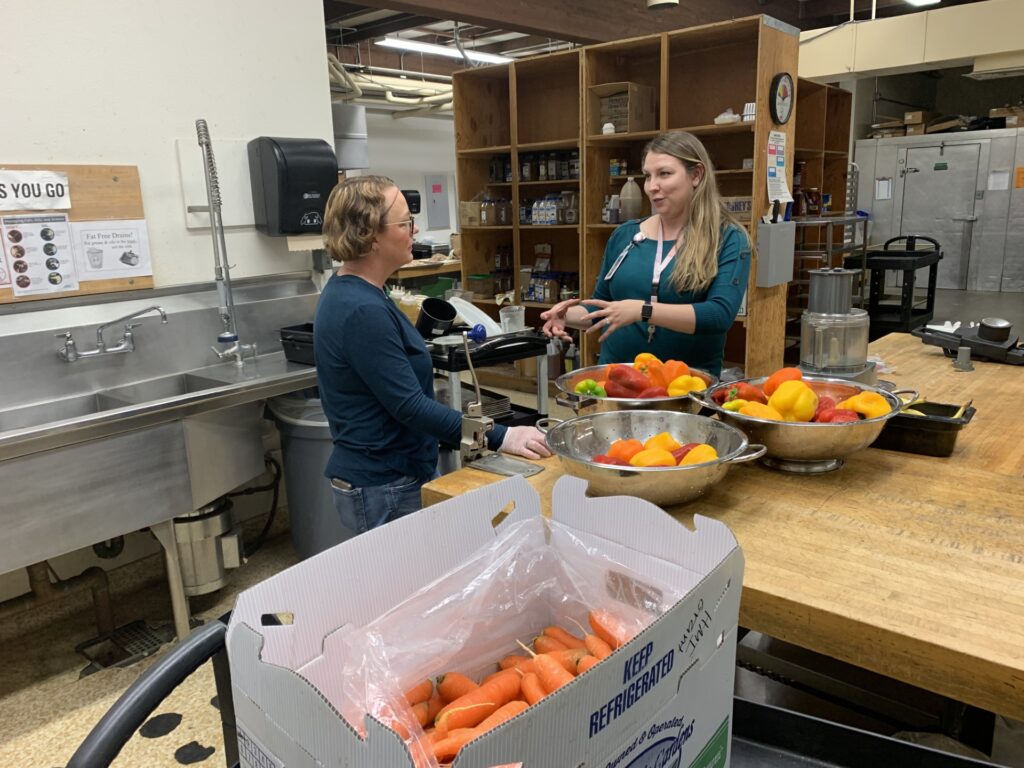
The three-year, nearly $1 million USDA Supporting Community Agriculture and Local Education Systems grant is making the work possible, providing personnel support, equipment, and contracts with food bank partners. The project runs through 2028.
Sallie Constant, a farm to community coordinator with WSU Clallam County Extension, works with local farmers, food banks, food access sites, and nonprofits in Clallam and Jefferson Counties. She noted the impact that WSU Extension’s food supply chain support has already had.
“The WSU Clallam-Jefferson County Extension Farm to Food Pantry Program started in 2013 with just $2,000 to support purchasing food from local farms for distribution at local food banks,” Constant said. “In 2024, our farm to community work made purchasing over $200,000 for local food possible, sourcing from 25 farmers and distributing to 18 different food banks and food access sites.”
Constant, who tracks local product availability from farms, then helps direct the food where it’s needed, said the funding accelerates the work taking place.
“Most of what locals eat is arriving daily from distribution centers that are farther away. Food often comes over the Hood Canal bridge, and there’s not a lot of food security if roads are disrupted,” Constant said. “People often describe it as our ‘just-in-time’ food supply, so anything we can do to increase food production locally helps bolster our community’s food security.”
Carson said the importance of improving supply chains, boosting ag production, and supporting the local economy, all while improving school nutrition, is not lost on her.
“Schools have a huge responsibility to offer nutritious food,” Carson said. “In addition to providing young students with high-quality, flavorful produce that forms healthy food preferences later on in life, we’re connecting students to their local food systems.”
Connect with WSU Clallam County Extension and learn more
Keep up with this project and progress with their Farm to School Newsletter. Or support WSU Clallam County’s effort through a donation to the North Olympic Peninsula Farm to Food Bank Fund.