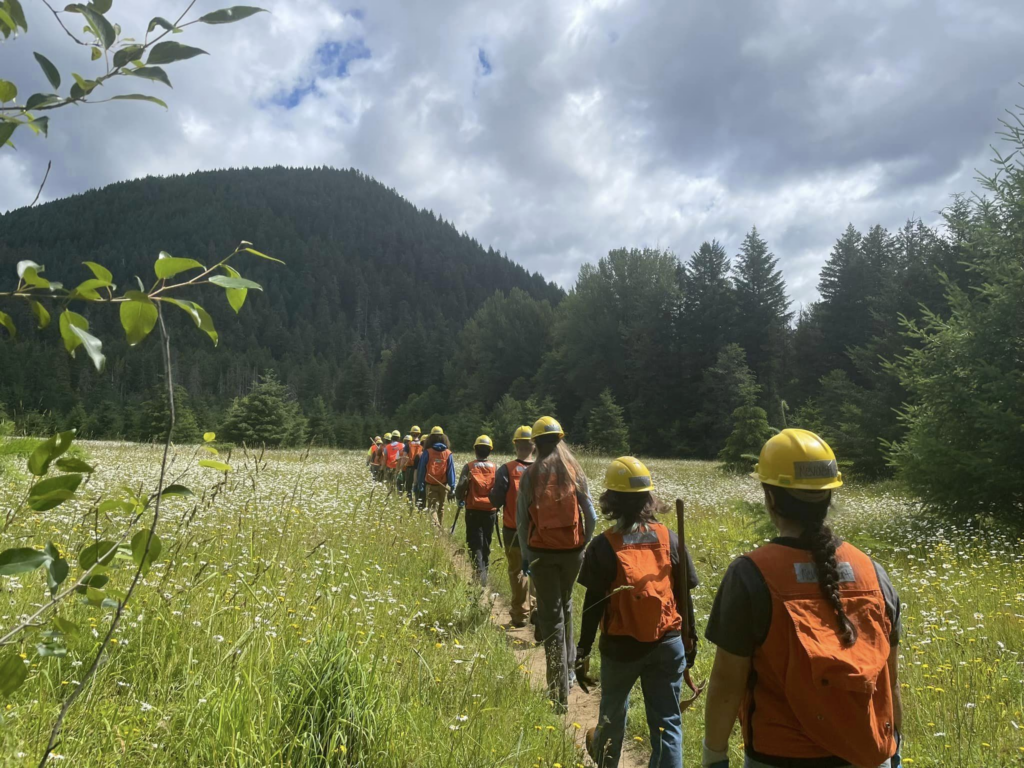
SKAMANIA COUNTY, Wash. — Since the early 2000s, over 900 teens in Skamania County have helped restore public lands and maintain recreation trails through Forest Youth Success.
This spring, the Washington State University Extension-led program is expected to hire nearly 20 more youth to continue work that benefits the community while developing participants’ workforce skills.
“In our hyper-rural, 90% forested county, there aren’t many opportunities for young people to get that first job and build those critical skills,” said Hannah Brause, Skamania County Extension director. “We typically see phenomenal growth in participants’ personal confidence, social and teamwork skills, and employability.”
In the last five years, participants have contributed over 15,000 labor hours, improved more than 50 miles of trails, and restored hundreds of acres of public land.
“It’s a life-changing experience for many, according to feedback we receive,” said Somer Meade, Forest Youth Success technical advisor. “Teens often report a heightened appreciation for work ethic and an increased sense of personal integrity.”
Skamania County straddles the Columbia River and the Gifford Pinchot National Forest in southwestern Washington. Around 12,000 people live in the scenic destination, where natural resource-based industry helps drive the economy.
“Despite living close to these trails so well loved by tourists, many of the program youth indicated they had never hiked them,” said Meade.
After a summer’s work, the participants are eager to show their families and friends the trails they’ve improved.
“Every summer is different, depending on public land priorities,” said Meade. “It could be trail maintenance, habitat restoration, invasive species removal and control, campground cleanup, or noxious weed management.”
In addition to workforce training, teens receive classroom and field-based environmental science and natural resource education. Experts with the U.S. Forest Service, Washington Department of Fish and Wildlife, National Fish Hatcheries, Army Corps of Engineers, and many others lead sessions on Fridays throughout the field season. The teens also job shadow many agency personnel.
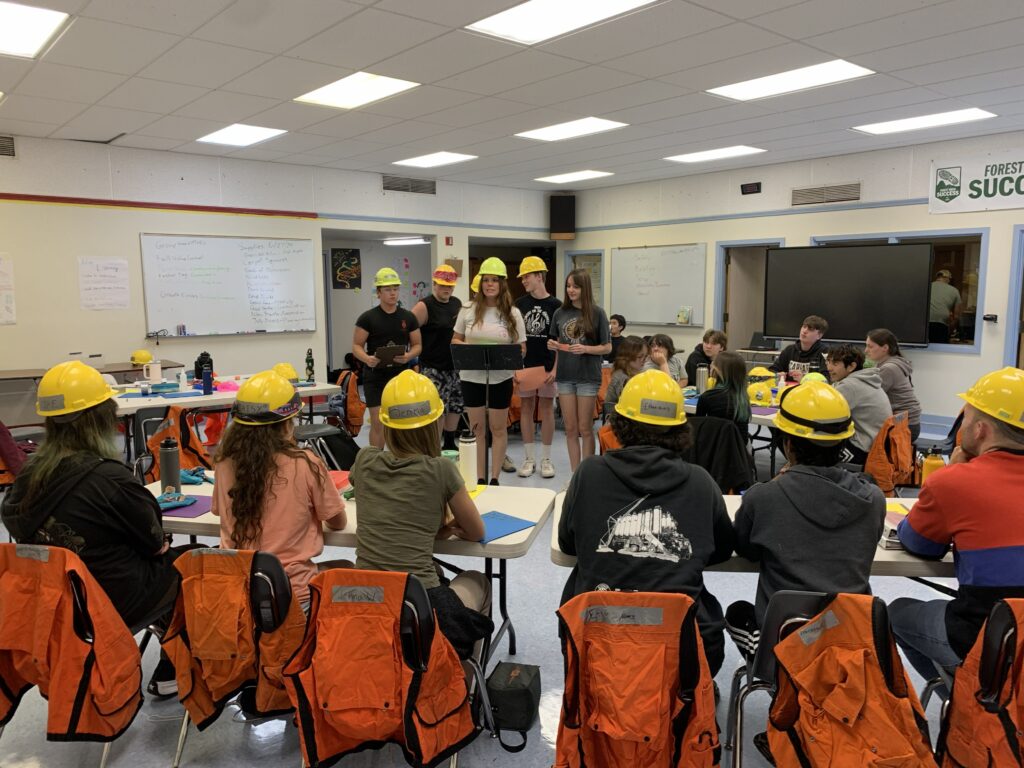
It makes for an enriching experience, Meade said.
“Forestry, stewardship, conservation — they’re getting exposure to a lot of really important things that will make a big impact on their future,” she added.
Nearly everyone in the community knows somebody who’s completed the program. Those who do notch a season’s work often have an advantage in the local job market.
“Local employers prefer to hire youth who have gone through the program,” said Brause. “They know that the Forest Youth Success participants have cultivated the right type of experience and on-the-job coaching.”
Program staff review 60 to 75 applications annually for the summer program. While federal funding determines the number of youths the program can take on each year through Secure Rural Schools, Title II — a program that provides revenue from federal timber lands — a variety of partnerships and creative thinking help fill funding gaps.
“I reach out to local conservation groups and nonprofits and inquire if they need a crew, and I don’t limit myself to natural resources grants,” Meade said. “I’ll also look at community and economic grants.”
Meade said she’s relentless in thinking about ways to generate support for the program and the teens. To address food insecurity among program participants, for example, she tapped the Backwoods Foundation to establish a food pantry the teens can benefit from.
“What Extension does well is build relationships and trust with our partners, and that often translates later to additional support from stakeholders,” she said.
Offered in partnership with the Stevenson-Carson School District and the U.S. Forest Service, Forest Youth Success typically runs June through August and is capped with a celebratory banquet in late summer. Teens present their accomplishments to Skamania County’s commissioners at the end of the season.
Youth leave the experience beaming with pride, while enthusiasm among elected officials continues to grow, Brause said.
“It’s not just about the miles of trail maintenance they’ve completed or the volume of noxious weeds they’ve removed,” she said. “These kids are earning an income, building job skills, and becoming the kind of employees people want to hire.”
Further information
Visit the Forest Youth Success website to learn more.
Media contacts
Hannah Brause, Skamania County Extension Director, email: hannah.brause@wsu.edu, phone: 509-427-3930
Somer Meade, Forest Youth Success Technical Advisor, email: somer.meade@wsu.edu, phone: 509-427-3932