For more than three decades, Washington State University Extension’s Supplemental Nutrition Assistance Program Education (SNAP-Ed) has created healthier communities in Washington.
With federal funding set to end Oct. 1, 2025, the program that touched the lives of more than 1.4 million Washingtonians last year will sunset. The closure marks a profound change for WSU Extension. It’s also a moment to look back on a program that shaped communities, empowered families, and strengthened local food systems.
“It is with enduring gratitude that we thank the staff, partners, and communities who made SNAP-Ed what it is,” said Vicki McCracken, director of WSU Extension. “Its legacy will include the many community partnerships with nonprofits, schools, farmers markets, food banks, and hundreds of additional organizations working together to improve nutrition education and access to healthy, locally produced foods.”
SNAP-Ed began in Washington in 1992 as part of a national effort to help limited-resource families eat healthier, stretch food dollars, and build food security. In its earliest years, it focused on nutrition education for adults and families. Over time, the mission expanded to providing youth with nutrition education and increasing healthy food access.

In 2025 alone, WSU Extension and Washington state SNAP-Ed personnel collaborated with over 700 organizations. According to a 2025 report from the Association of SNAP Nutrition Education Administrators, more than half of participants in Washington state reported worrying less about running out of food after participating.
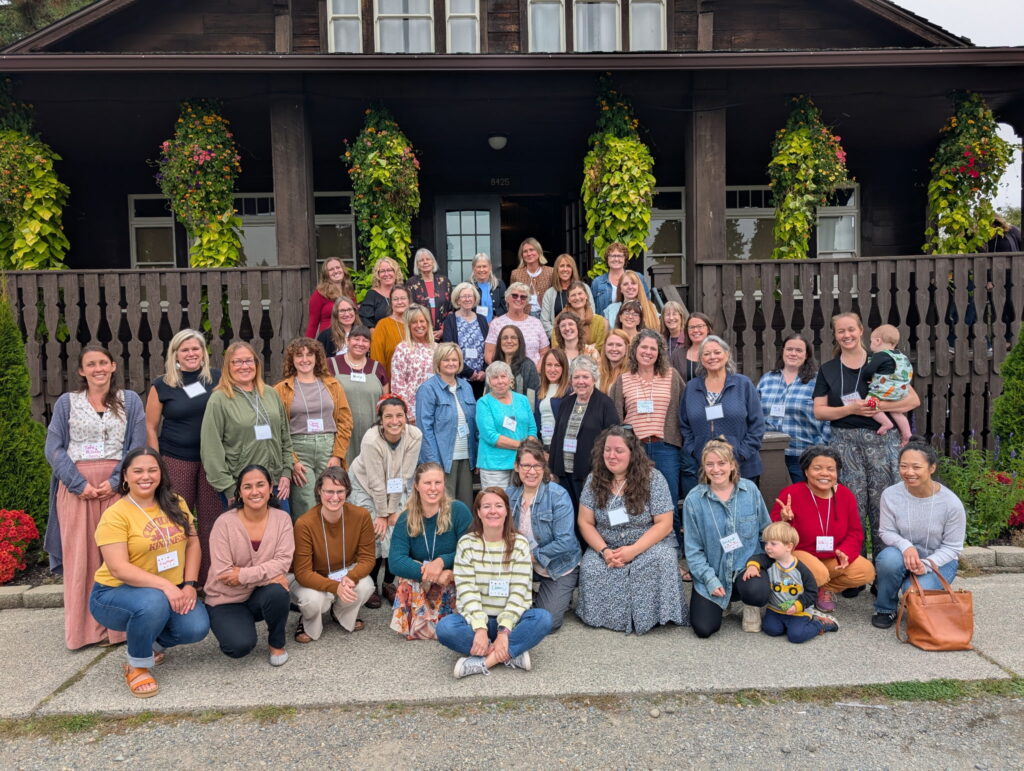
Behind these numbers were the people who poured their hearts into the work — educators who became trusted mentors to children, familiar faces at farmers markets, and leaders in local coalitions.
“We are a family of staff who work together with incredible passion and dedication,” said Jen Moss, SNAP-Ed director of curriculum, training, and websites. “There’s no other program like it.”
Moss described the movement as being “led with our hearts, using evidence-based, community-driven approaches with grit and determination, collaborating with each other, elevating our strengths, and learning alongside our participants.”
As recently as 2018, lawmakers across the political spectrum recognized SNAP-Ed as the most robust and impactful federal nutrition education program in the country. The Farm Bill of that year tasked the USDA with strengthening the foundation of SNAP-Ed by improving data collection and establishing a clearinghouse for the program.
Missy McElprang, WSU Extension Youth and Families Program Unit director, reflected on her first exposure to impactful WSU Extension SNAP-Ed programming in 2013.
“I had the opportunity to work closely with several SNAP-Ed professionals at that time and was immediately drawn to their enthusiasm for educating youth and the creative ways they taught nutrition,” she said. “I remain continually impressed by the scope of the work, the dynamics with community partners, and the flexibility and creativity of the program staff in adapting to the specific needs in the community.”
The abrupt ending of financial support created a sense of whiplash for SNAP-Ed professionals. Without SNAP-Ed’s work over the decades, Moss said the health outcomes of the nation and Washington state would look very different.
“Fewer students would have received nutrition education in classrooms and cafeterias,” she said. “Fewer food banks would highlight nourishing options. SNAP acceptance at farmers markets would not be as widespread. And there would be far fewer school and community gardens supported with education.”
Acacia Corylus, WSU Extension SNAP-Ed director of programs, remembered receiving the heavy news of defunding and immediately thinking about what it would mean for the people who led the programming and the Washingtonians it would affect.
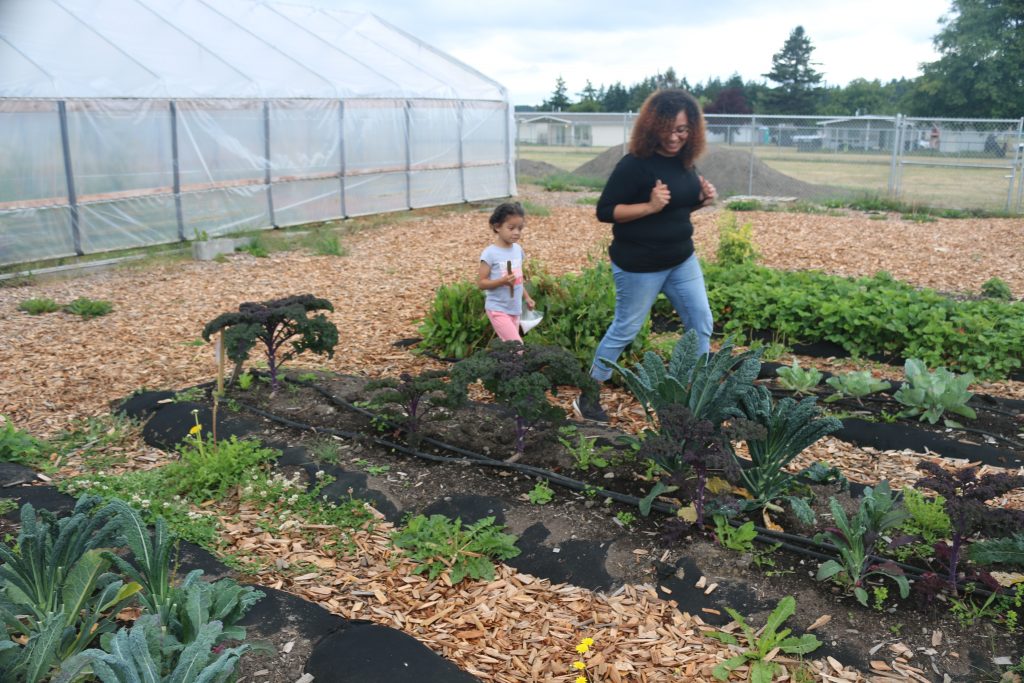
“When I first really knew in my gut that we were not going to continue as a program, I thought about all of the 70-plus people across the state who were about to lose their jobs and the fact that SNAP-Ed also raises people out of poverty,” she said. “This could send people back there.”
For 33 years, WSU Extension’s mission of “Extending Knowledge. Changing Lives” was made tangible through SNAP-Ed.
“It was so clearly in alignment with our mission to use education to change individuals’ lives,” said McCracken. “Because of the funding loss, we will be looking for new ways to improve food access and nutrition as well as new funding and partnerships for doing so.”
For Corylus, the partnerships and personal connections that SNAP-Ed staff built over the years will be remembered most.
“All the stories I’ve heard — staff shopping in grocery stores where they’d taught lessons, and children excitedly rushing up, remembering new foods they tried — that’s the kind of love and impact SNAP-Ed will leave behind,” she said.
Seventy-two staff members across the state carried the program in its final year, many of whom had built entire careers around it. Margaret Viebrock, WSU Extension Chelan-Douglas County director, initiated the SNAP-Ed program in Washington state in the early ’90s and devoted herself to it for over 30 years.
“When we piloted the program in Chelan and Douglas counties using just a 10 thousand dollar grant, we aimed at teaching nutrition education to the significant population of agricultural workers here in Wenatchee,” Viebrock said. “The response was overwhelmingly positive as participants learned to read food labels and prepare healthy family meals. Obviously, SNAP-Ed took off from that humble starting point.”
Viebrock was a national leader: Washington and Wisconsin were the first states to pilot the program.
Reflecting on her SNAP-Ed colleagues’ greatest attributes, which made the program as impactful as it what it was, Moss said “passionate, caring, dedicated, resourceful, adaptable, innovative, exceptional, and community-connected.”
“I hope that our partners will celebrate SNAP-Ed by continuing as much of the work as they can,” said Corylus.
For Moss and Corylus, there is one clear, remaining message for their colleagues across the state.
“I just want to say, ‘thank you,’” said Moss. “There’s no greater group of people working toward a common goal of improving lives. We’ve grown together and our work will live on in many ways.”