As cities swell and rural populations shrink, a Washington State University Extension-led coalition is tackling the challenge of how to feed urban communities using locally sourced foods.
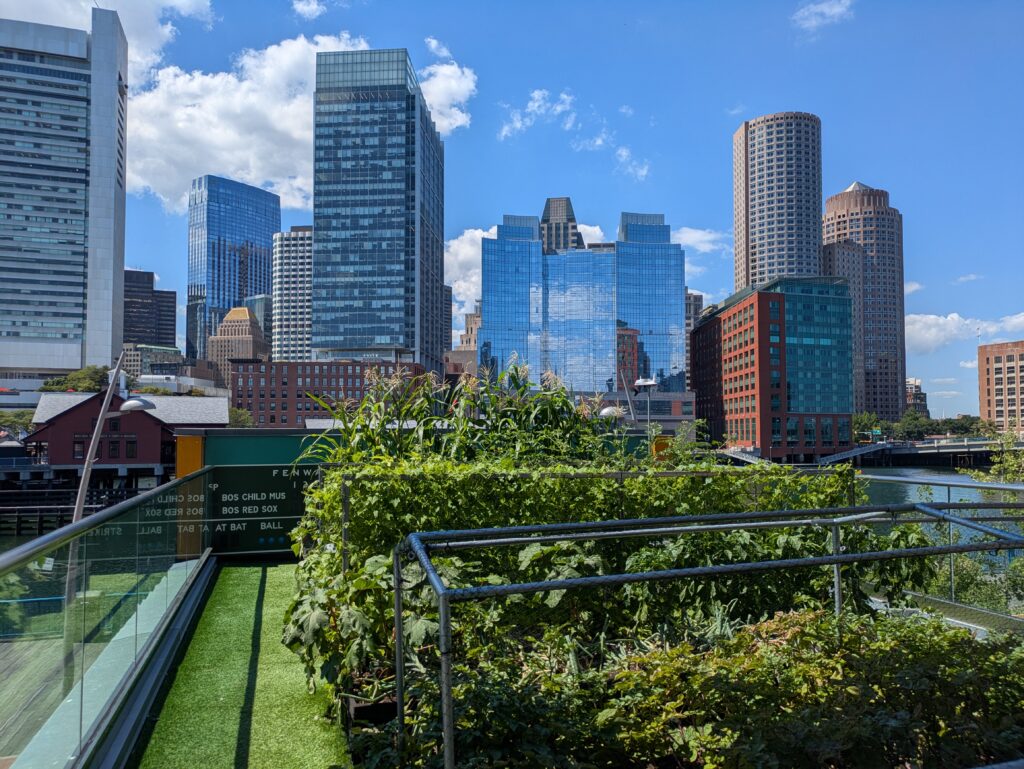
Spearheaded by the National Urban Research and Extension Center (NUREC), the Building-Integrated Agriculture (BIA) initiative is planting the seeds for a novel food system designed for cityscapes — think fruit and vegetables grown on skyscraper rooftops, against stadium walls, or inside repurposed warehouses.
“Our initiative is about reimagining how agriculture and cities coexist,” said Brad Gaolach, the founding director of NUREC who is based at WSU Everett’s Metropolitan Center for Applied Research and Extension. “As a national project incubator, we’re about spurring this type of innovation.”
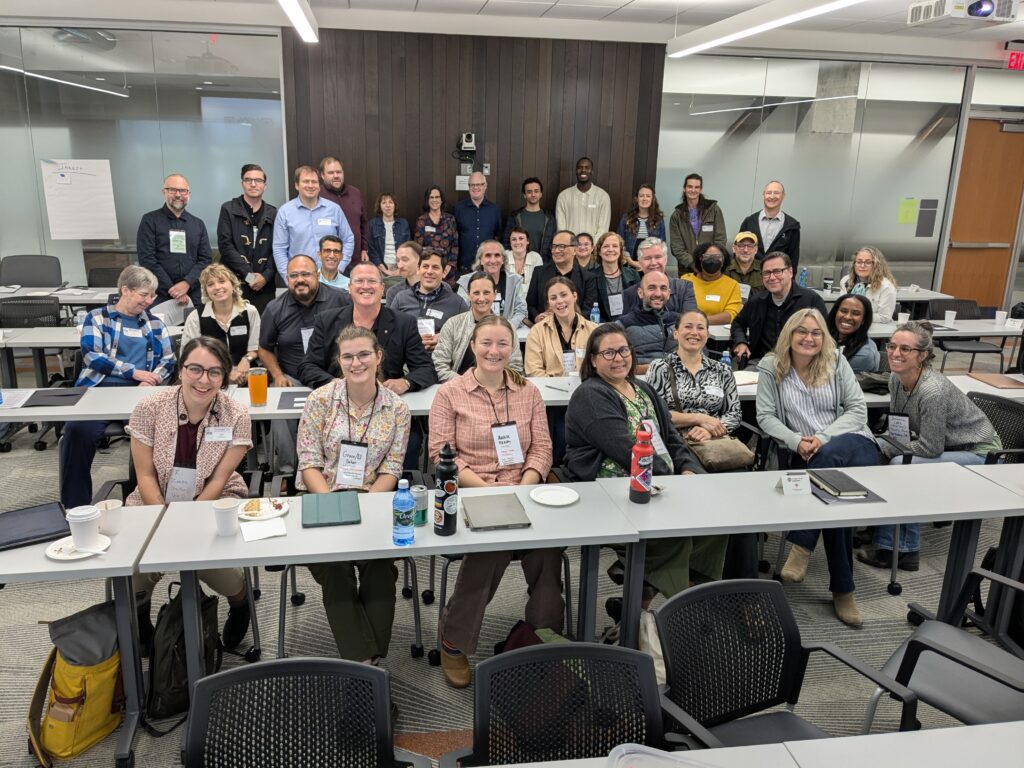
The BIA initiative launched with the 2024 Grow(in)’ On! Summit, which convened nearly 70 experts from 13 states and three countries to explore how cities can integrate food systems into design and policy. Outcomes so far include new research collaborations and the formation of national working groups focused on workforce development, demonstration projects, and urban ag education.
While the traditional land-grant Extension system historically focused on rural regions, more than 80% of Americans now live in metropolitan areas, according to the 2020 U.S. census. NUREC, which transitioned from a regional hub in Washington state to a national center in 2023, is working to align national Extension services with the modern needs of urban residents, many of whom face food insecurity or limited green space.
“I recently led a national discussion group of Extension faculty and staff on how to handle a local resident’s request for assistance with establishing vanilla bean production in abandoned warehouses,” said Maggie Anderson, WSU NUREC program manager. “We’re also working on connecting the farmer at Fenway Park stadium in Boston with entrepreneurs and farmers in other cities nationwide to implement garden-top stadium designs similar to the one there.”
A cornerstone of the initiative is a toolkit of learning modules, resources, blog posts, and reflections, all aimed at solving the design challenges of urban food production. Developed by WSU in collaboration with Oregon State University and the University of Oregon, the toolkit is funded via the USDA 2025 Farm Bill.
“This toolkit helps answer questions like, ‘Can you recycle graywater in a greenhouse on top of a skyscraper? Will a nearby building block sunlight? What’s the load-bearing capacity for a rooftop garden?’” Gaolach said. “We’re translating our agricultural insights into architectural practice.”
NUREC’s summits and workshops are also sparking unexpected collaborations among city officials, architects, and entrepreneurs eager to embed food production into urban planning, public health, and climate resilience strategies. In partnership with the National League of Cities, the BIA initiative is expanding its reach to a nationwide network of urban leaders.
“We’ve got people saying, ‘Let’s start a podcast. Let’s find funding. Let’s build momentum,’” Gaolach said. “That’s the kind of energy this initiative is attracting.”
NUREC’s work offers a glimpse of what future Extension services and food systems may look like.
“We have to start thinking of food as critical infrastructure,” Anderson said. “We’re helping improve food security and urban livability in Washington and across the nation.”
Learn more
Discover how the WSU-led National Urban Research and Extension Center is advancing food systems within cityscapes and boosting public well-being through research and collaborative innovation like the Building-Integrated Agriculture initiative.
Contacts
Brad Gaolach, Director, WSU Metropolitan Center for Applied Research and Extension, phone: 425-405-1734, email: gaolach@wsu.edu
Maggie Anderson, Program Manager, National Urban Research and Extension Center, email: msanderson@wsu.edu