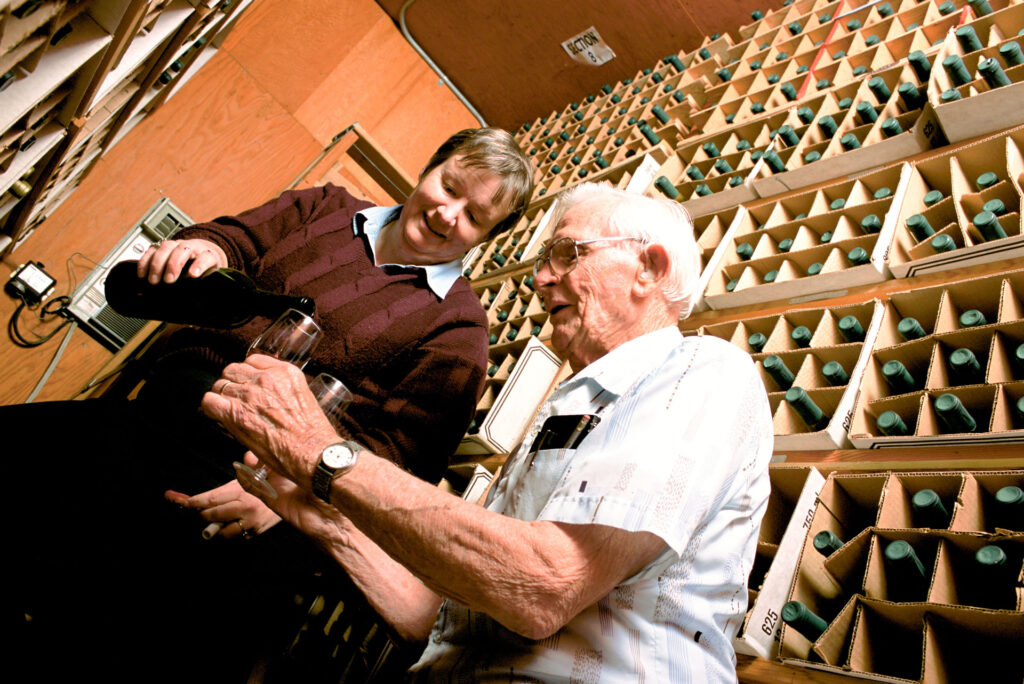
Research and Extension Center. (Photo: Bob Hubner/WSU Photo)
RICHLAND, Wash. — Sara Spayd’s time at Washington State University may have concluded nearly two decades ago, but her research legacy still resonates throughout the Department of Viticulture and Enology (V&E). Now, in recognition of an influential and remarkable career, she has been named an adjunct faculty member.
“I was so happy when I heard I had been appointed,” said Spayd, who is a professor emerita at North Carolina State University. “This brings me back full circle to WSU — it’s like writing an epilogue.”
WSU enology Associate Professor Jim Harbertson noted many reasons why Spayd deserves adjunct faculty status.
“Sara is one-of-a-kind,” Harbertson said. “She established the framework of our department, and she was the spark around which the Washington wine industry coalesced. I learned a lot from Sara, and I still use her as a resource. I’m supremely grateful to her for helping my career.”
Spayd’s interest in viticulture traces back to childhood. Growing up on a farm in North Carolina, she was fascinated by her father’s 40-acre vineyard of muscadine grapes. After earning a bachelor’s degree in horticultural science at NC State, Spayd attended the University of Arkansas, studying Concord grapes, strawberries, and blackberries while working toward master’s and doctorate degrees in food science.
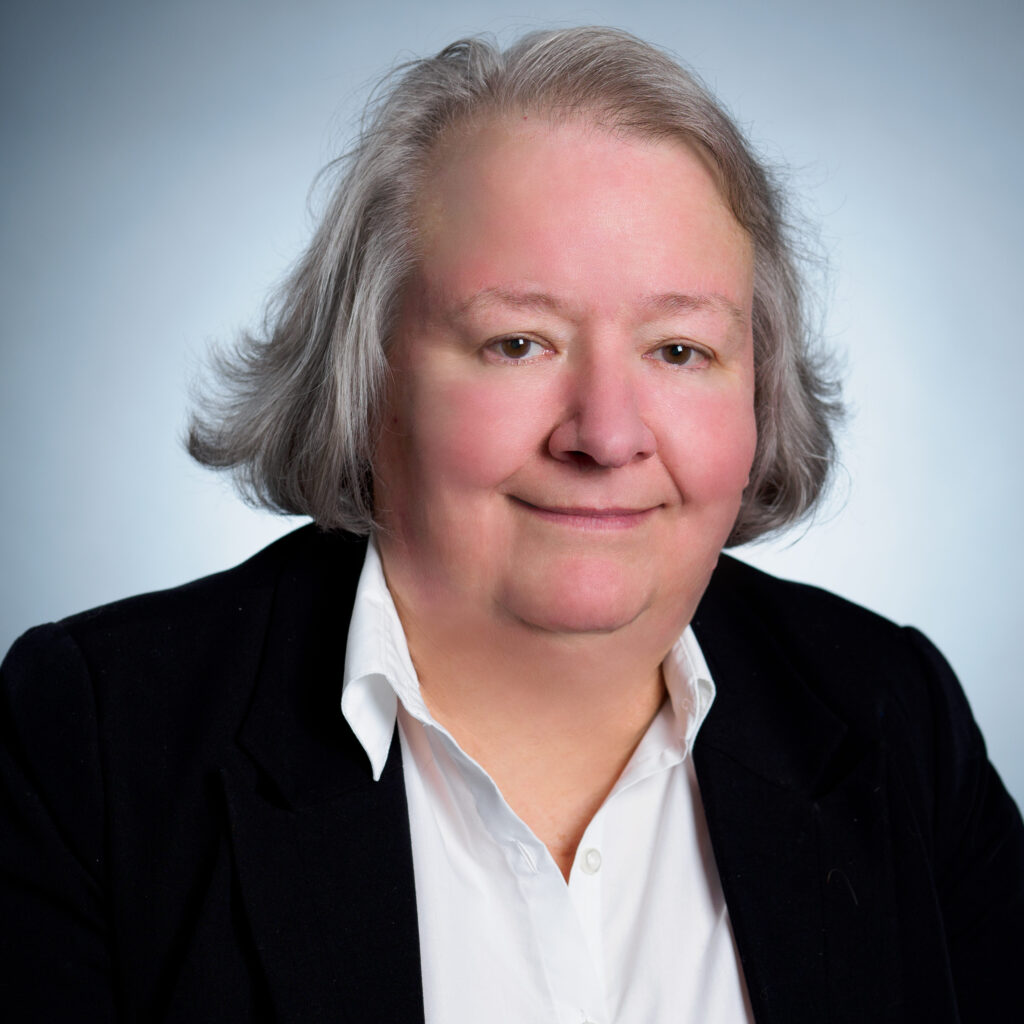
In 1980, fresh out of college, Spayd was hired at WSU’s Prosser Irrigated Agriculture Research and Extension Center as a food scientist. During her first year on the job, she researched everything from raspberries, strawberries, and cherries to the influence of Mount St. Helens volcanic ash on feedlot steer performance.
“Somebody once looked at my steer performance abstract and noted, ‘well, I guess you’ll work on anything!’” Spayd said.
The childhood interest in grapes persisted, however, and Spayd found that she had arrived in the Pacific Northwest just as Washington’s wine industry was taking off.
After making wine that first year at WSU, Spayd spent an increasing amount of time on grape research until finally it became her sole focus. She worked closely with wine industry stalwarts including Bob Wample, Chas Nagel, Ray Folwell, and Walter Clore, the latter of which became a good friend and mentor.
“I ended up managing vineyards and making wine because I had the background for both,” said Spayd. “I refer to it as serendipity. I knew every winemaker, and it stayed that way for my first 10 or 15 years at WSU.”
Spayd’s first large project in Washington was exploring the role of nitrogen in grape fermentation and wine production. Using a broad sample set, she demonstrated that there were low amounts of nitrogen Washington soils and examined what happens to grapes when they’re fertilized with additional nitrogen.
“Sara put good science on display,” Harbertson said. “It made people take notice of the wine industry here.”
Another of Spayd’s projects involved “the squid,” an aptly named scientific apparatus devised by USDA employees Julie Tarara and John Ferguson. An air conditioner and heater rolled into one, the unconventional contraption warmed grapes in the shade and cooled those exposed to sunlight, allowing scientists to separately study the effects of UV light and heat in the vineyard.
“I wanted to do a similar project for my master’s degree,” Spayd said. “But we didn’t have the right equipment to do it back in the 1970s.”
Spayd also helped conceptualize the V&E department’s professional certificate program, which officially launched in 2003 to provide practical, hands-on education to winemakers.
“The industry had grown slowly for a while, but then it suddenly exploded with people who had no background in wine or grapes,” Spayd said. “We needed a place for those who were already making wine and didn’t necessarily realize the problems they had. But we also had to know our audience and ensure the program was useful.”
Spayd’s career wasn’t without its share of challenges. When she entered the field in 1980, female researchers were few and far between, and she often felt singled out as the “token woman scientist.”
“I was told I was the third female faculty hired in WSU’s agriculture college,” Spayd said. “Overall, things have improved a lot since then, except for the pay gap.”
Spayd left WSU in 2006, returning to North Carolina to be near family and work as a professor and Extension viticulture specialist at NC State. She retired in 2016.
Today, Spayd stays busy as a member of a graduate committee at NC State, where she also attends monthly luncheons for retired faculty. Above all, she has made relaxation a priority by reading, spending time with her feline companion, and enjoying the libation she spent so many years observing through a scientific lens.
“I’ve made it known to the industry that I’m retiring and will now be drinking wine, not studying it!” Spayd said.
Voice of the Vine
Subscribe to the Voice of the Vine newsletter for stories about the latest emerging research from WSU’s Department of Viticulture and Enology, profiles of students, alumni, and researchers working in Washington’s world-class wine industry, info on upcoming events, and much more.