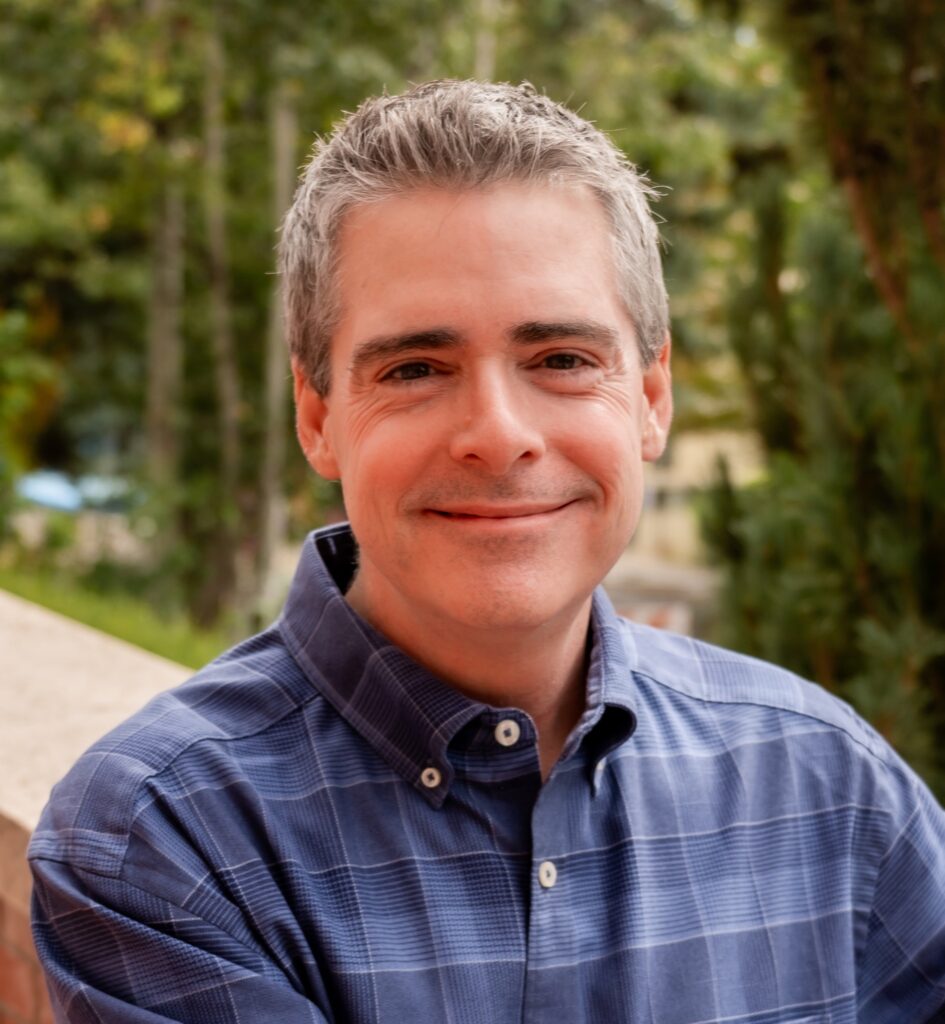
GLASGOW, Scotland — As a young graduate student, Kory Floyd’s first academic conference was an International Association for Relationship Research (IARR) event.
Now, more than 30 years later, Floyd, chair of Washington State University’s Department of Human Development, will be inducted as a fellow at the group’s annual conference in Glasgow next month.
“This means so much, not only the honor of being elected as a fellow, but because of how much this organization has meant to me professionally for so many years,” Floyd said. “Early in my career, IARR conferences helped me and other young scientists feel included. I made connections with people at that first conference that I still talk to today.”
IARR awards fellow status to members who have made sustained, outstanding contributions to the field of scientific research into relationships in research, teaching, service, and application. Fellows can only be elected after 10 years of postdoctoral contribution to the field, according to the association’s website.
“Election as a fellow of an international scholarly society is a significant honor,” said Raj Khosla, dean of WSU’s College of Agricultural, Human, and Natural Resource Sciences. “Dr. Floyd’s recognition reflects the respect he has earned from colleagues worldwide and underscores the strength and impact of his work. We are proud to have him as part of our WSU community.”
Floyd joined WSU in 2025 as head of Human Development, returning to the town where he spent a significant part of his youth. His department of nearly 30 faculty members studies how children, young people, adults, and families change and face challenges throughout their life span.
One of Floyd’s favorite aspects of IARR is its multi-disciplinary focus. Though his own background is in communication, IARR brings together psychologists, sociologists, and anthropologists, and specialists in other fields, he said.
“We all study close relationships, so we’ve got this kinship in what we’re interested in,” Floyd said of fellow IARR members. “I’ve been exposed to new types of research and ways of thinking, and that doesn’t happen as much when I go to conferences in my own specialty field. That exposure to new thoughts and ideas is what keeps bringing me back.”