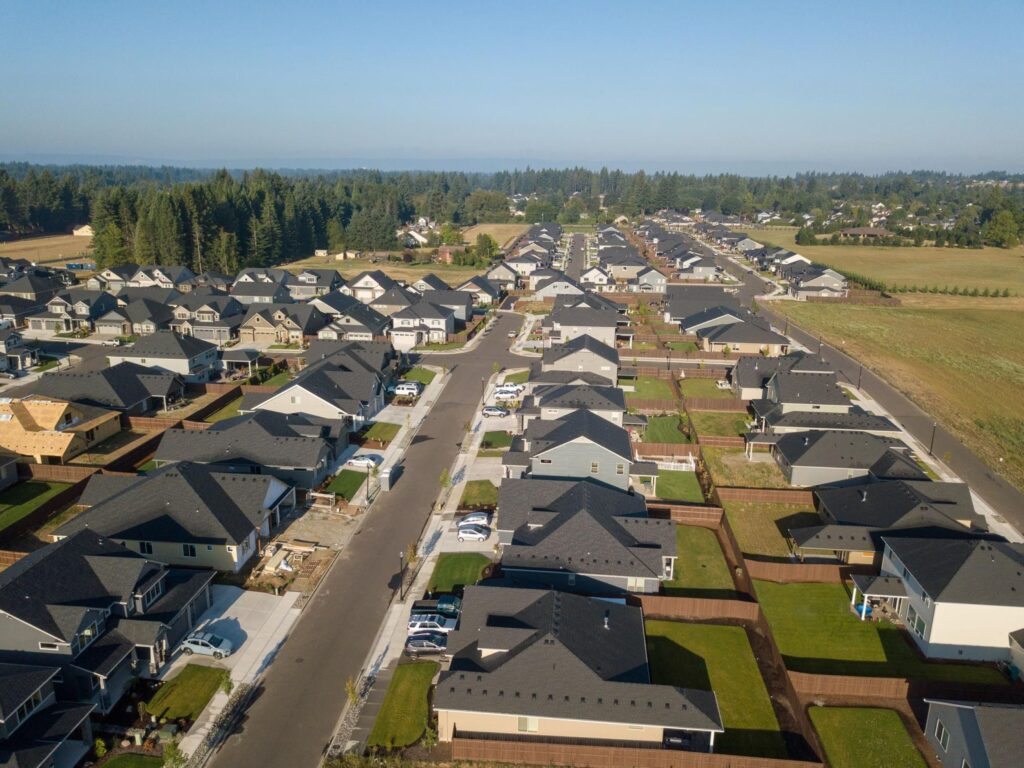
OLYMPIA, Wash. — Washington state building codes help ensure new homes last for generations while remaining safe and energy efficient.
Yet Washington’s residential energy code spans hundreds of pages across multiple books, often leaving builders, architects, and local jurisdictions overwhelmed and unsure about proper building requirements. That’s where Washington State University Extension specialists come in, providing statewide education and assistance to translate the code into action.
“Every residential construction project in Washington must comply with the state’s energy code,” said Georgine Yorgey, director of WSU’s Energy Program. “When we build a home, we’re locking in how much energy it will use for decades. Getting it right at the start helps keep homes affordable to operate, healthier to live in, and better aligned with the state’s long-term energy goals.”
The code is updated every three years, and the release of a new version in 2026 is expected to drive increased demand for the Energy Program’s expertise. Since 2024, when the current code cycle began, the small Residential Energy Codes Team within the Energy Program has fielded more than 4,000 questions and delivered dozens of outreach trainings, helping builders, architects, and engineers navigate the complex regulatory landscape.
“This upcoming code cycle is the most complex we’ve ever seen,” said Program Lead Jonathan Jones. “Every update adds new building options and rules, and that means more questions from builders, inspectors, and homeowners trying to get it right.”
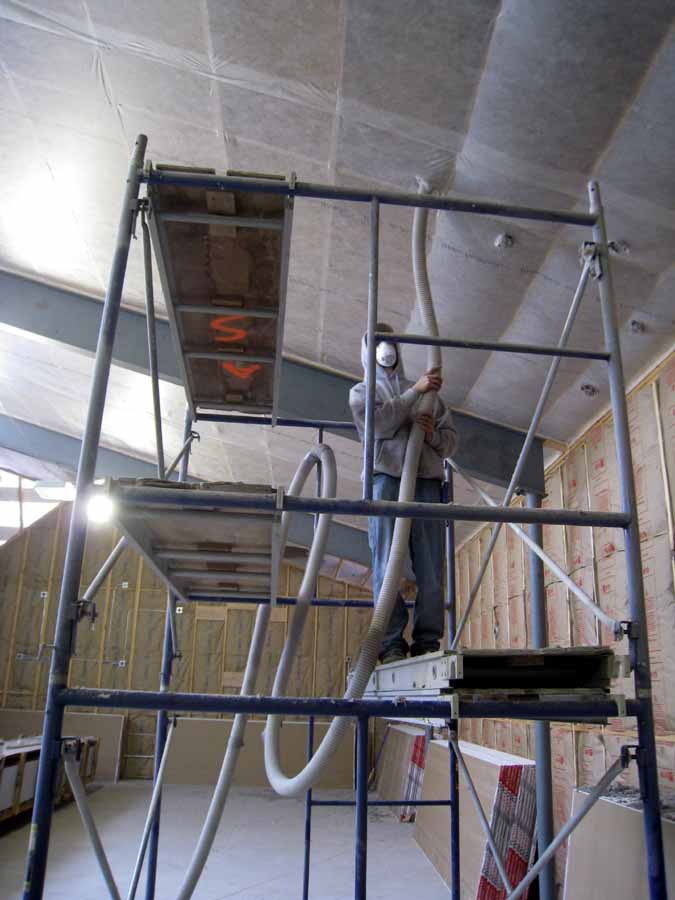
Building to code has advantages beyond decreased home energy consumption and increased cost savings. In many cases, energy code compliance improves home safety, occupant health, and neighborly relations.
“A lot of people think the energy code is just about efficiency,” said Jones. “But it also affects indoor air quality and even how a home may impact neighbors — things like ventilation exhaust, fire risk, and noise from heating and cooling equipment placed too close to property lines.”
Since 2024, Jones and his colleague Rick Blumenthal, WSU Energy Program coordinator, have delivered nearly 100 educational events. In 2025, most questions came from architects, but Blumenthal noted that the year prior, the majority of questions came from municipal or local jurisdiction building personnel.
The year after the 2021 updated code was published, the team noticed that the average phone call length decreased as people began to gain an understanding of the complex information. Calls come in from around the country from anyone looking to build in Washington.
“The energy code is challenging not because it’s rigid but because there are many different paths to compliance, and people need help understanding which options apply to their specific project,” Blumenthal said. “Once we walk through the code with them, they realize it’s manageable. They often just need someone to help translate it.”
In addition to educational outreach, the team creates and publishes helpful fact sheets, reports, and a code compliance calculator that can be used to evaluate and document a building’s compliance.
Because a builder’s code oversight can manifest later as a health problem, lawsuit, or expensive retrofit, getting it right initially is key.
“If we can help them avoid problems to begin with, that’s a win that lasts far longer than the construction process itself,” said Blumenthal.
Learn more
Builders, designers, and local officials can contact the WSU Energy Program to get connected and for further information about residential or commercial energy code services.
Media contact
Jonathan Jones, WSU Energy Program, Residential Energy Codes Team Lead, email: jonathan.p.jones@wsu.edu; phone: 360-956-2101