Some initially volunteer because they want to learn about gardening or because their child joined 4-H. Many stay because of the people they meet and the connections they build.
Whatever draws them, thousands of Washington State University Extension-trained volunteers propel the 4-H and Master Gardener programs forward.
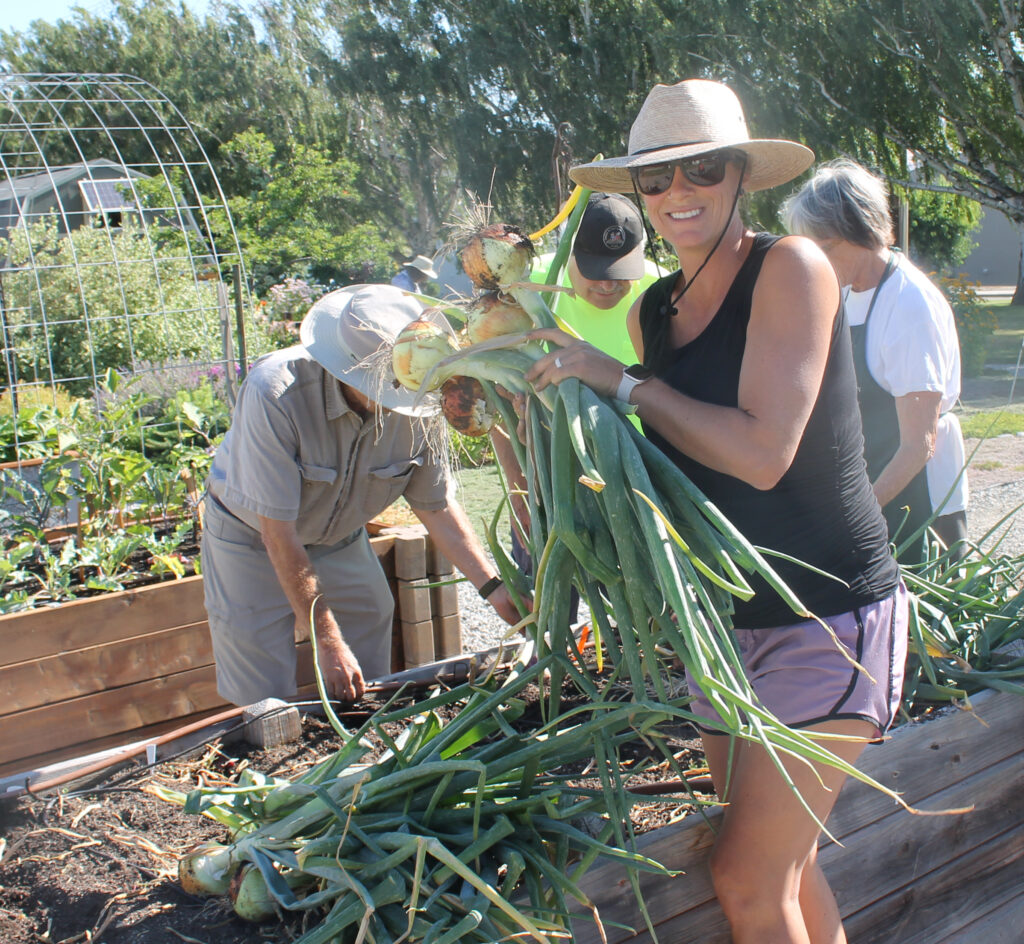
“Volunteers are really the heart and core of what we do,” said Jennifer Marquis, WSU Extension Master Gardener Program statewide director. “They touch every aspect of our program’s reach and the impact that we have across the state.”
WSU 4-H and master gardener volunteers amplify and help deliver on Extension’s land-grant mission. While WSU supplies the research, training, leadership, and infrastructure, volunteers translate that knowledge into outreach in their own communities.
Motivations for volunteering vary.
“In 4-H, parents typically join because they want their kids involved in something positive,” said Jana Ferris, WSU Extension associate professor and state volunteer development specialist. “They tend to continue volunteering afterward because they are passionate about working with youth.”
Ferris said people historically joined the WSU Master Gardener Program to increase their gardening expertise, but more now sign up with an interest in environmental sustainability.
Together, more than 6,000 WSU Extension 4-H and master gardener volunteers contributed over 365,000 reported hours from 2025 to 2026.
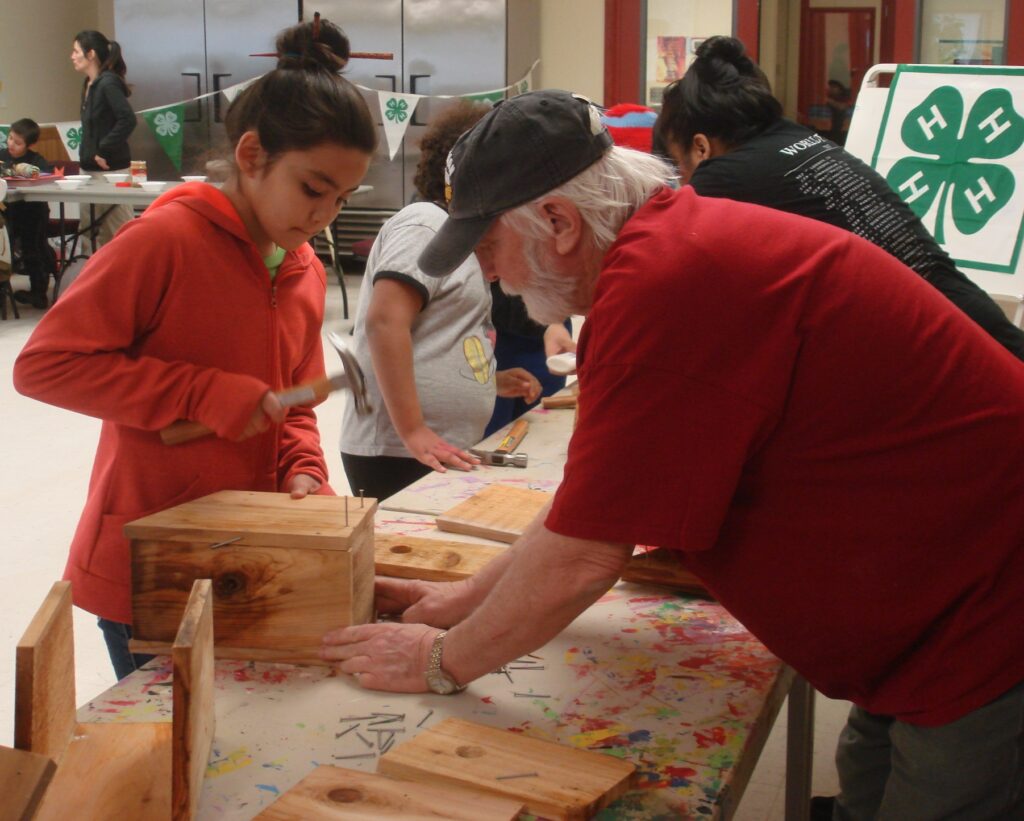
“There’s strength in numbers,” said Washington State 4-H Director Kayla Wells-Yoakum. “Volunteers extend our reach, helping deliver high-quality programming to youth statewide.”
Wells-Yoakum said a willingness to learn and dedication to the 4-H mission are two of the most important qualities in a volunteer.
Long-serving volunteers also mentor and teach other volunteers, Ferris said.
“I learned from a longtime 4-H volunteer early in my career how to work with people and when it was important to take a risk to give youth new experiences and learning opportunities,” Ferris said.
Volunteers organize, lead, and plan events and programs, with roles ranging from administration and management to developing new volunteer recognition efforts.
“WSU master gardener volunteers are helping lead national efforts to explore how Extension can adopt artificial intelligence in safe, ethical, and intentional ways,” said Marquis. “I wholly trust them to represent us, and we’re getting to the point where we’ll soon have policies, procedures, and branded AI tools — all led by volunteers.”
Many volunteers strengthen Extension programs by drawing on expertise developed throughout their careers.
“Our recognition program is now being revamped by a volunteer who retired from a Fortune 500 company and worked in HR recognition programs,” Marquis said. “Volunteers shape the future of the Master Gardener Program — what it looks like and how we operate. They lead, partner, and collaborate.”
Alternatively, for those entering the workforce, Ferris said volunteering can boost resumes and lead to better employment opportunities through the skills they develop.
“Organizing, leading, solving problems, planning — those types of skills tend to look really good on a resume,” she said. “Many also realize that participation is fulfilling their own social needs.”
For some, the relationships built while volunteering span generations.
“Some who grew up in 4-H return with their own children and remain involved long enough to see their grandchildren participate,” Ferris said. “Everybody needs a place where they can feel comfortable and where they can feel like themselves. WSU Extension programs offer that place.”
For Raj Khosla, dean of WSU’s College of Agricultural, Human, and Natural Resource Sciences, volunteers are vital to Extension’s reach and impact.
“Our volunteers bring WSU’s land-grant mission to life every day.” Khosla said. “Through 4-H and Master Gardener programs, they turn knowledge into action, strengthen communities, and extend our impact across Washington.”
More information
The WSU Extension 4-H Youth Development Program offers youth opportunities for engagement, connection and exploration: from animal science and art to civics, leadership, healthy living, and more.
The WSU Extension Master Gardener Program started in Washington in 1973. The master gardener model has since spread nationwide and internationally, continuing to attract members from diverse backgrounds connected by shared interests in horticulture, sustainability, community outreach, research-based gardening practices, and environmental stewardship.
Media contacts
Jana Ferris, WSU Extension Associate Professor and State Volunteer Development Specialist, phone: 509-335-7109, email: ferrisj@wsu.edu
Jennifer Marquis, WSU Extension Master Gardener Program Statewide Director, phone: 509-335-1723, email: jgmarquis@wsu.edu
Kayla Wells-Yoakum, Washington State 4-H Director, phone: 509-640-0405, email: kayla.wells@wsu.edu