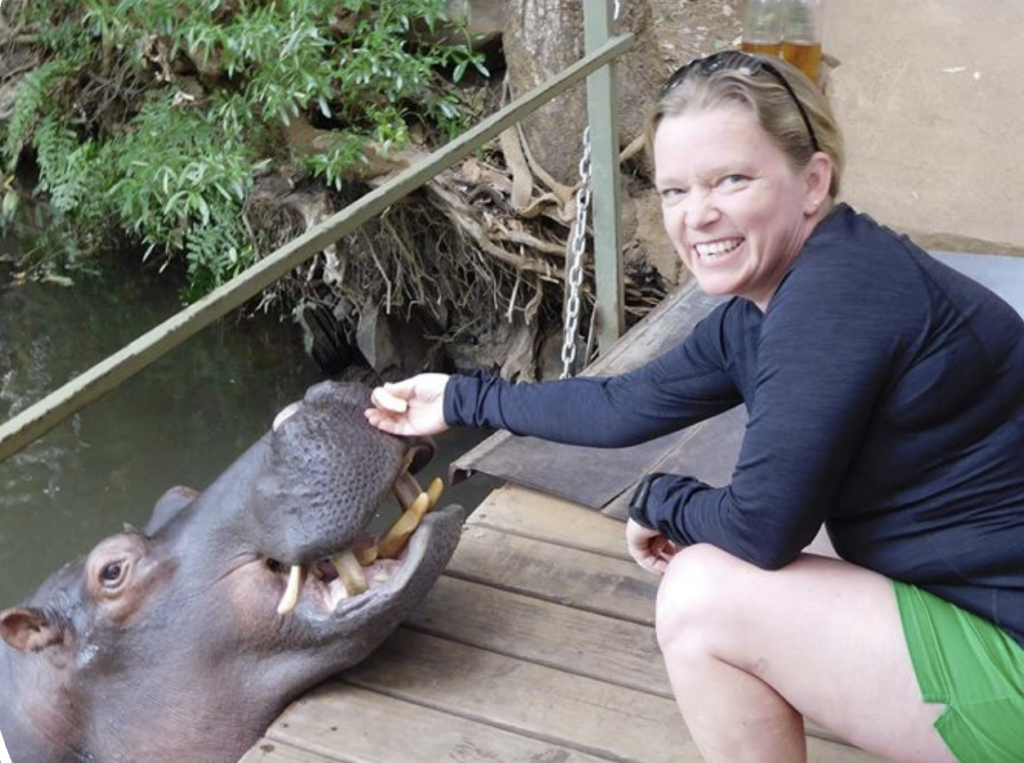
Department of Animal Science. (Photo courtesy of Kimberly Ange-van Heugten)
PULLMAN, Wash. — Collecting nutrition samples from chimpanzees, rehabilitating pangolins rescued from the black market, and delivering food to hungry Anatolian shepherd dogs — it’s all part of the job for Kimberly Ange-van Heugten, a comparative animal nutritionist in North Carolina State University’s Department of Animal Science.
“Variety is part of the reason I love what I do,” said Ange-van Heugten, who will visit Washington State University’s Pullman campus on March 24 to give the annual Halver Lecture in Comparative Nutrition.
During her talk, titled “What’s on the Menu? Evidence-based Feeding of Exotic Species,” she plans to share her experience working with animals from around the globe.
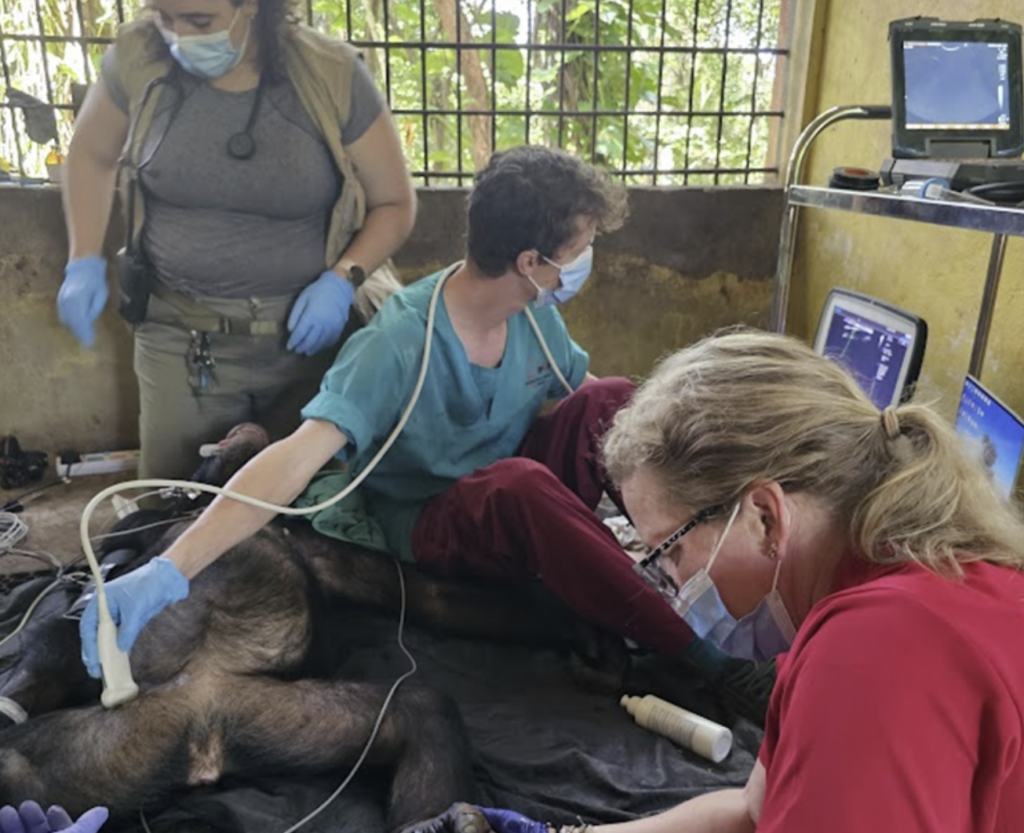
“Comparative nutrition means determining what nutrients lesser-known species need by using data from more well-known livestock and companion species we’ve been researching for hundreds of years,” Ange-van Heugten said. “As animal nutritionists, we can truly make a difference through what we feed these animals, and how we’re feeding them. Our partnerships with veterinarians, conservationists, zookeepers, and animal welfare managers are also key to helping them thrive.”
Though two animals may be related, their feeding requirements can differ significantly.
“A proper diet ensures the animal’s body and mind are both working correctly,” she said. “The whole animal should be healthy, and that includes welfare, longevity, and mental state.”
During the lecture, Ange-van Heugten will talk about her successes and challenges in the field, illustrated through a variety of photos.
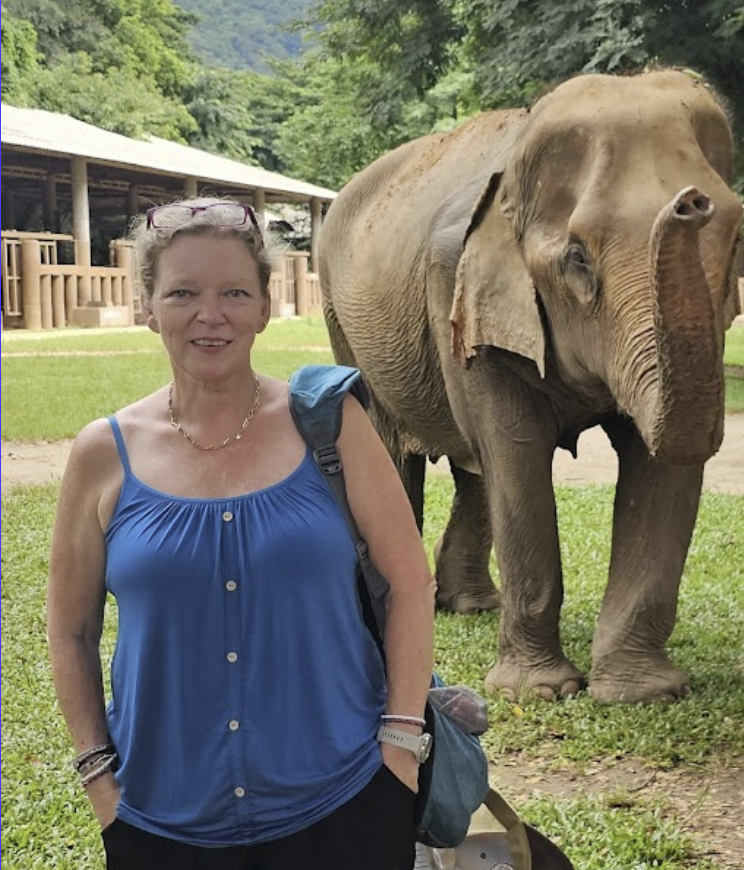
“My goal is to keep it interesting and fun by giving comparative examples of the many different animal species I’ve worked with — canids, felids, reptiles, amphibians, you name it,” she said. “I want to help the audience understand how our work benefits these creatures, especially those that are endangered.”
Raised on a farm in North Carolina, Ange-van Heugten has been interacting with animals from a young age.
“We raised pigs, and there was a real love of animals in my family,” she said. “If my dad found something wounded near the farm, he would bring it home and we would take care of it. We also adopted many cats and dogs. Growing up, the only people I knew who worked with animals were veterinarians and farmers — I’d never heard of an animal nutritionist.”
While working toward her bachelor’s degree in animal science and minor in nutrition at NC State, Ange-van Heugten assumed she would follow in her older brother’s footsteps and become a veterinarian. But that changed in grad school, when she helped a fellow student working at the Duke Lemur Center.
“It was really fascinating to see the comparative nutrition research happening there,” she said. “When I was 18 or 19, I never would have thought I’d become a comparative nutritionist. Assisting fellow graduate students at the Lemur Center revealed a field I didn’t even know existed.”
After earning her master’s degree in nutrition and minor in GI physiology from NC State, Ange-van Heugten spent time working at several zoos, where she learned about a wide range of animals and their unique diets. She later received a PhD in animal science from Wageningen University in the Netherlands, with her doctoral work focusing primarily on primate nutrition.
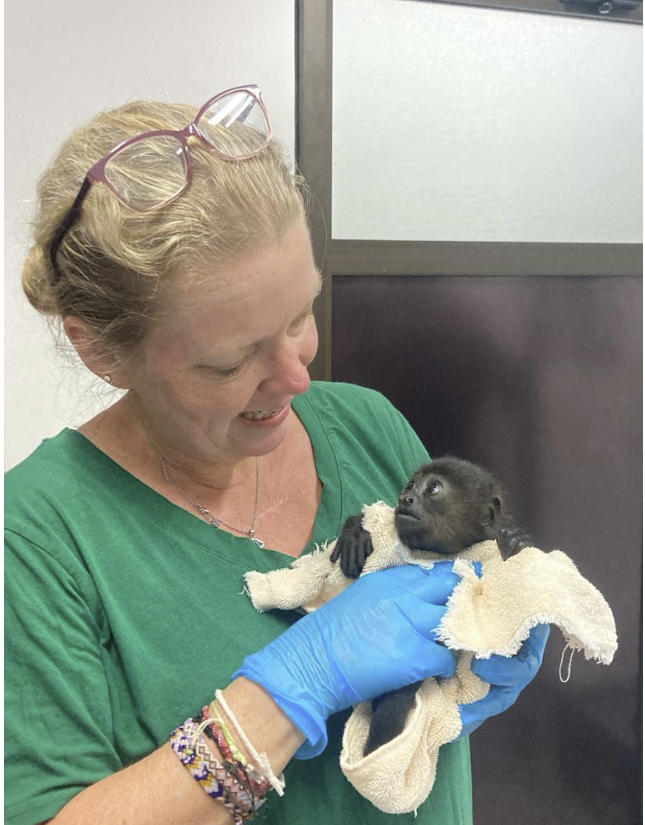
In her current role at NC State, Ange-van Heugten helps graduate students with their research and teaches undergraduate and graduate classes on topics such as animal ethics and the management and nutrition of companion animals. She also currently leads study abroad courses in Thailand but has taken students to South Africa and Costa Rica as well.
Reflecting on the joy she has found in her career, Ange-van Heugten hopes her WSU talk will encourage students to be open to opportunities in the comparative nutrition field.
“Your future isn’t predestined; you can help shape it,” she said. “Your path may end up being different than you expect, but that can be a very good thing. There are countless rewarding experiences when you’re working with unique animals.”
More information:
The Halver Lecture, “What’s on the Menu? Evidence-based Feeding of Exotic Species,” is 5-6 p.m. Tuesday, March 24, in 116 Todd Hall on the WSU Pullman campus. Hosted by the WSU Department of Animal Sciences through the support of the Halver family, this free event is open to everyone.