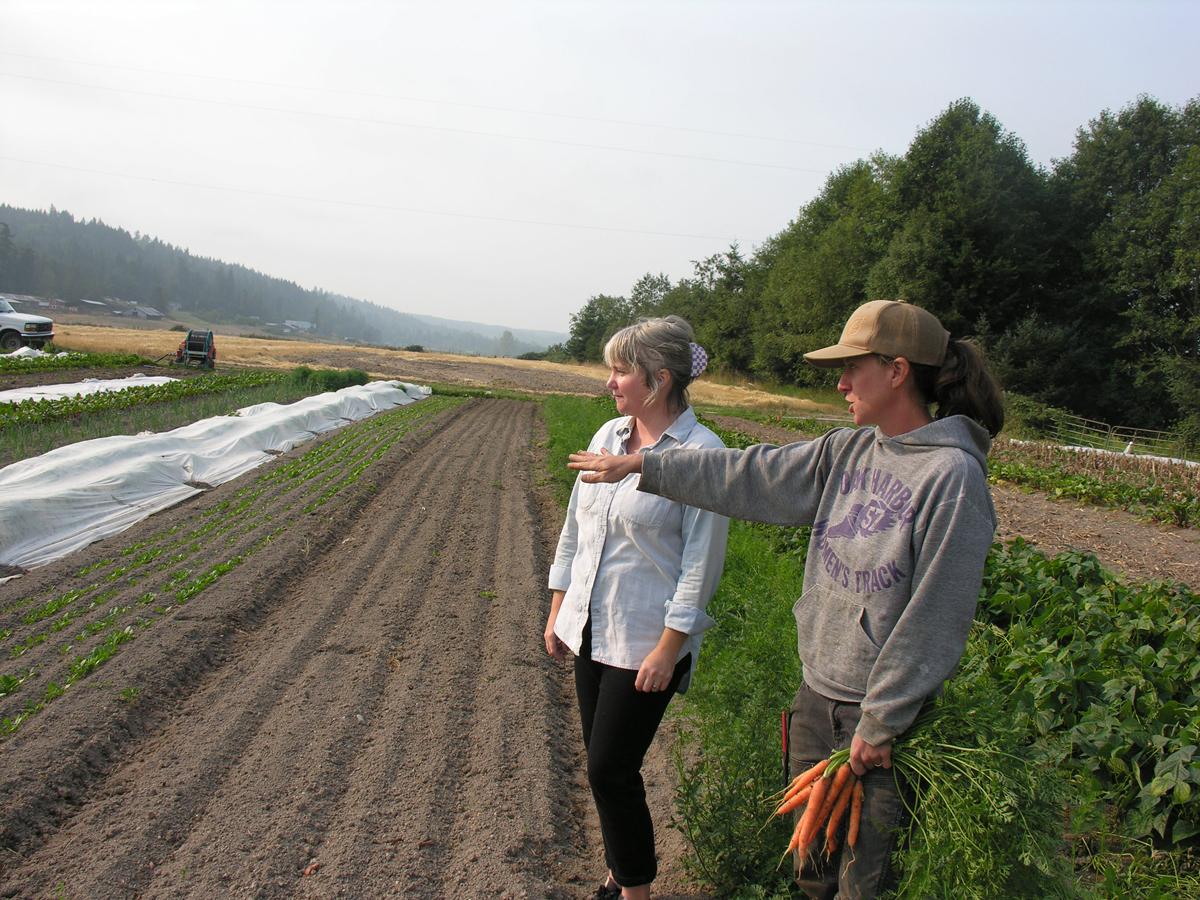
A tale of two farms: WSU Extension ag program opens avenues to success
The WSU Extension Regional Small Farms Program supports small- to mid-sized farms in Clallam, Jefferson, and Kitsap counties. Through farmer education, applied research, market development, and other efforts, the program helps producers navigate challenges and identify opportunities.
That work reaches a significant portion of Washington agriculture. Small farms account for 90% of farming operations in the state, and the Small Farms Program works directly with farmers to understand their needs and develop locally relevant resources, connections, and opportunity.
For two Olympic and Kitsap Peninsula farms, that support has helped turn these producers’ ambitions and vision into viable enterprises.
New to farming on the Peninsula, a couple gets a helping hand
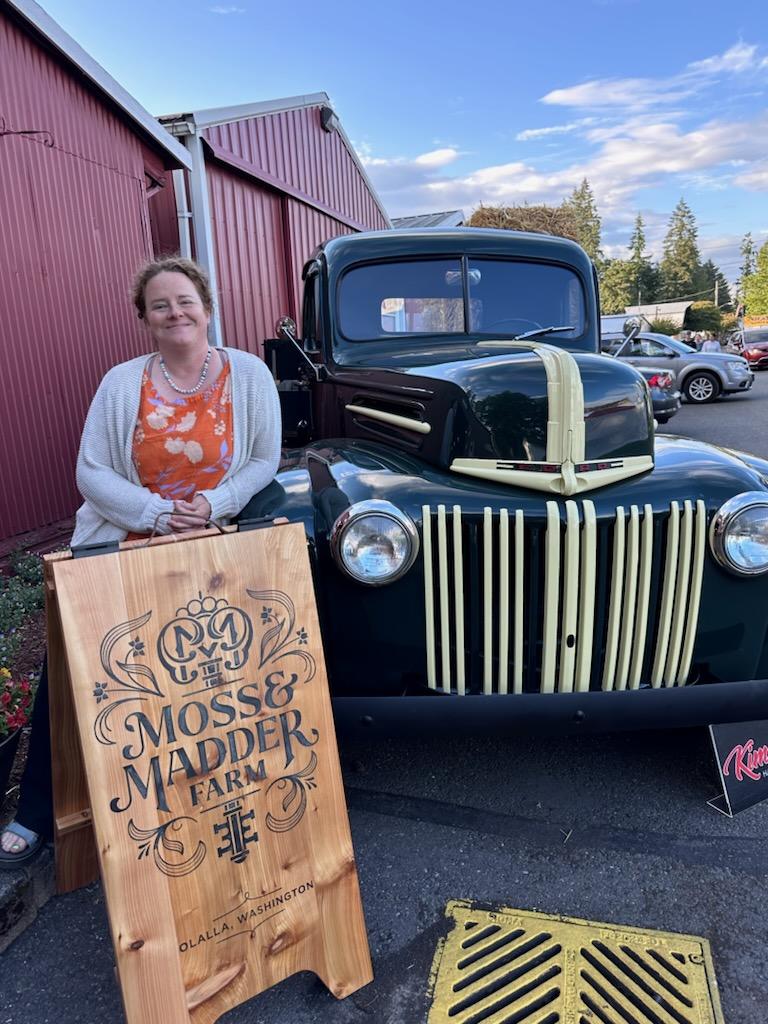
After 20 years as a nurse, growing ornamental flowers wasn’t on Jodi Logue’s radar.
“I’d taken some farming courses a few years back, and the subject was so interesting,” Logue said. “You find out about these great seed catalogs and cool plants, and if you have a husband who likes to do projects, then you till up a field in the back of your property. Now we have a farm and not enough space for all our flower beds.”
The couple started Moss and Madder Farm in Olalla, Washington, in 2021. Since then, the couple’s five-acre backyard transformed from blackberry and nettle thickets to flower beds of cosmos, zinnias, eucalyptus, jasmine, smoke bush, and other blooms and ornamentals, all destined to become bridal bouquets and adorn wedding venues and living rooms.
Specializing in fresh-cut flowers, Moss and Madder’s location on the Kitsap Peninsula guarantees milder weather and plenty of rain.
The couple has learned it takes more than great growing conditions to cultivate a thriving flower farm though.
“We had no idea what we were doing,” said Logue. “We didn’t know anyone else doing this and were looking for camaraderie and resources when my husband, Aaron, heard about a WSU Extension Small Farms Program agritourism meeting at a local flower farm. We showed up.”
There, they found a like-minded community of farmers offering support, and it changed the direction of their farming enterprise.
“Having access to so much experience and expertise, no matter what you’re growing, somebody’s probably already learned to solve your problem the hard way,” said Logue. “It’s been really neat to connect with so many folks doing the hard work of farming.”
Jess Sappington, interim director of WSU Kitsap County Extension, who spearheads the Regional Small Farms Program there, said she listens to local, small-scale farmers and develops targeted support that addresses their concerns and challenges. Farmers said they wanted help starting an agritourism coalition, and it was at that meeting where she met the Logues.
“Our local farmers expressed a real need for mentorship and information sharing, so we started developing a farmer coalition, hosting these monthly meetings and get-togethers,” Sappington said.
Since their first meeting, the Logues have been mainstays of the coalition’s activity.
“There’s no way Jodi and I would have established so many relationships with other flower farmers without this group,” said Aaron. “We completely changed our crop plan, water management, and how we thought about farming efficiencies.”
Sappington had also pointed the couple toward USDA small-farms grants, which they’ve successfully accessed.
“Being a part of this coalition jump-started a whole bunch of other things,” said Aaron. “We’ve became so efficient we’re expanding and offering farm stays as part of an agritourism enterprise.”
Avoiding war, farmer Ana Galvis charts a path toward a lifelong dream in Washington state
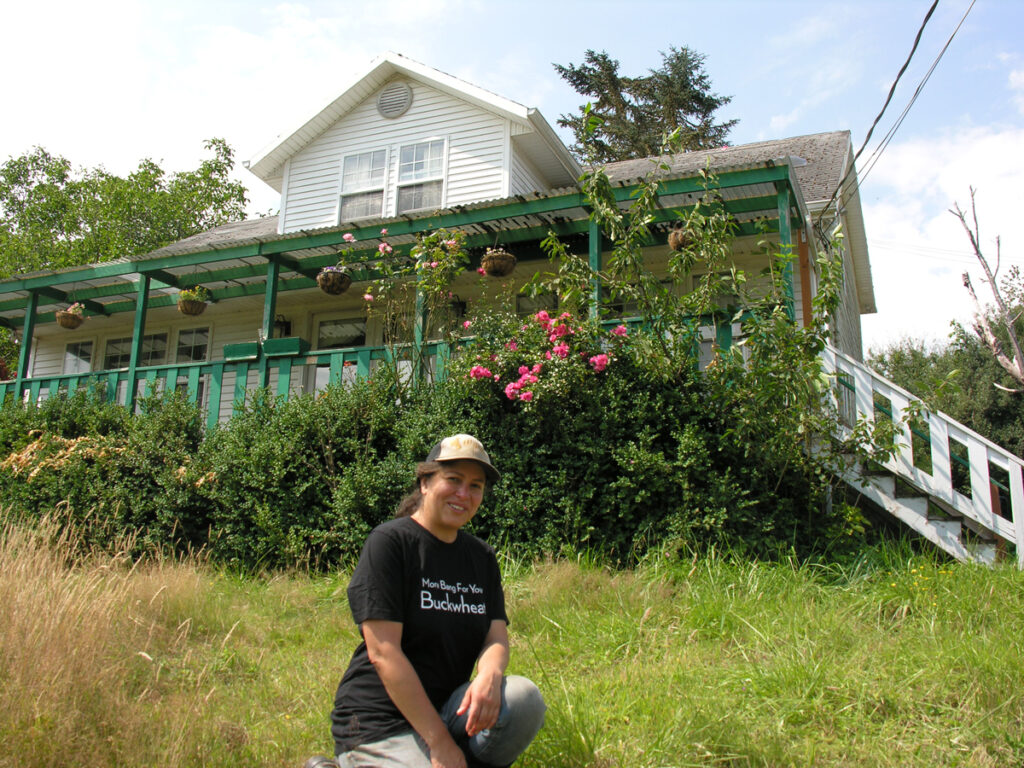
Around the same time the Logues were launching their farm, Ana Galvis, an immigrant from Colombia, was pursuing her lifelong dream of procuring a farm and managing it her way in Jefferson County.
Generations of her ancestors cultivated coffee, plantains, cassava, and other citrus crops, so Galvis is no stranger to farming. During the peak of the Colombian armed conflict in the 1990s, her family had to stop visiting or working their farmlands to avoid life-threatening risks.
“I was born into a particular colonial context surrounding this idea about who takes territorial control,” she said. “It taught me the importance of nurturing and stewarding lands — to be present in the landscape, and to realize that the land has its own logic.”
Galvis always dreamed of living in the countryside and becoming a farmer. Her journey led her through Mexico, California, and finally to Washington state.
But access to arable lands is the greatest obstacle cited by U.S. farmers. That’s true in Washington, according to data from the Washington State Department of Agriculture. Galvis found herself with few reasonable options.
Galvis’ trajectory changed when she responded to the Jefferson Land Trust’s nationwide call for proposals to take on the large, historic Kawamoto farm in Quilcene, Washington. As Galvis advanced through the selection process, WSU Extension Regional Small Farms Program Coordinator Kellie Henwood provided targeted support, connecting her with resources and helping strengthen her application.
Henwood, an expert in farmland access and farm succession, had helped develop farmer-selection processes for several Jefferson County farms. Rather than considering only a buyer’s ability to purchase the land, the approach weighs their farm plan, financial viability, and stewardship. Some projects also use conservation and affordability tools to support long-term agricultural use.
“Farmer access to good, affordable farmland is the number one agricultural issue of our time and this generation,” Henwood said. “We’re at an intersection where farmers will be aging out and retiring, and entry-level farmers are encountering massive affordability issues.”
In her WSU Extension Regional Small Farms Program role, Henwood leads the Jefferson LandWorks Collaborative in Jefferson County. The mission of LandWorks is to keep working lands in Jefferson County productive and viable, with a recent focus on farmland.
Like Galvis, the Kawamoto family, who owned the land for multiple generations, was also familiar with the impacts of conflict and war. They were removed from their farm during the Japanese internments of World War II after having started it from scratch decades prior.
Galvis and the Kawamotos are kindred spirits: both immigrant farmers. Both denied access to ancestral lands during wartime.
“The selection committee and the Kawamoto family said yes because they saw me working as hard as I could as a single mother and a farmer,” said Galvis, who purchased the land in 2022. “The farming life is not easy, but it’s beautiful if you have the taste for it.”
Now with a growing goat herd, diverse vegetables, a productive orchard, chicken eggs, and soon, milk, Galvis feels extremely blessed. Above all, she said she is cultivating dignity and a dream for the future.
“My granddaughter is a toddler now and was born here,” she said. “I show her all the animals: the goats, dogs, cats, and chickens. I teach her so she knows what a farm is. Even if she doesn’t become a farmer, that’s okay.”
“But if she does become a farmer?” Galvis smiled. “Oh, I’d be the happiest.”
Visit the WSU Extension Regional Small Farms Program website to learn more.