Annual 4-H teen conference showcases strong youth engagement
In late June, more than 100 teens gathered on Washington State University’s Pullman campus for the yearly Washington State 4-H Teen Conference, a four-day event focused on experiential learning and leadership development.
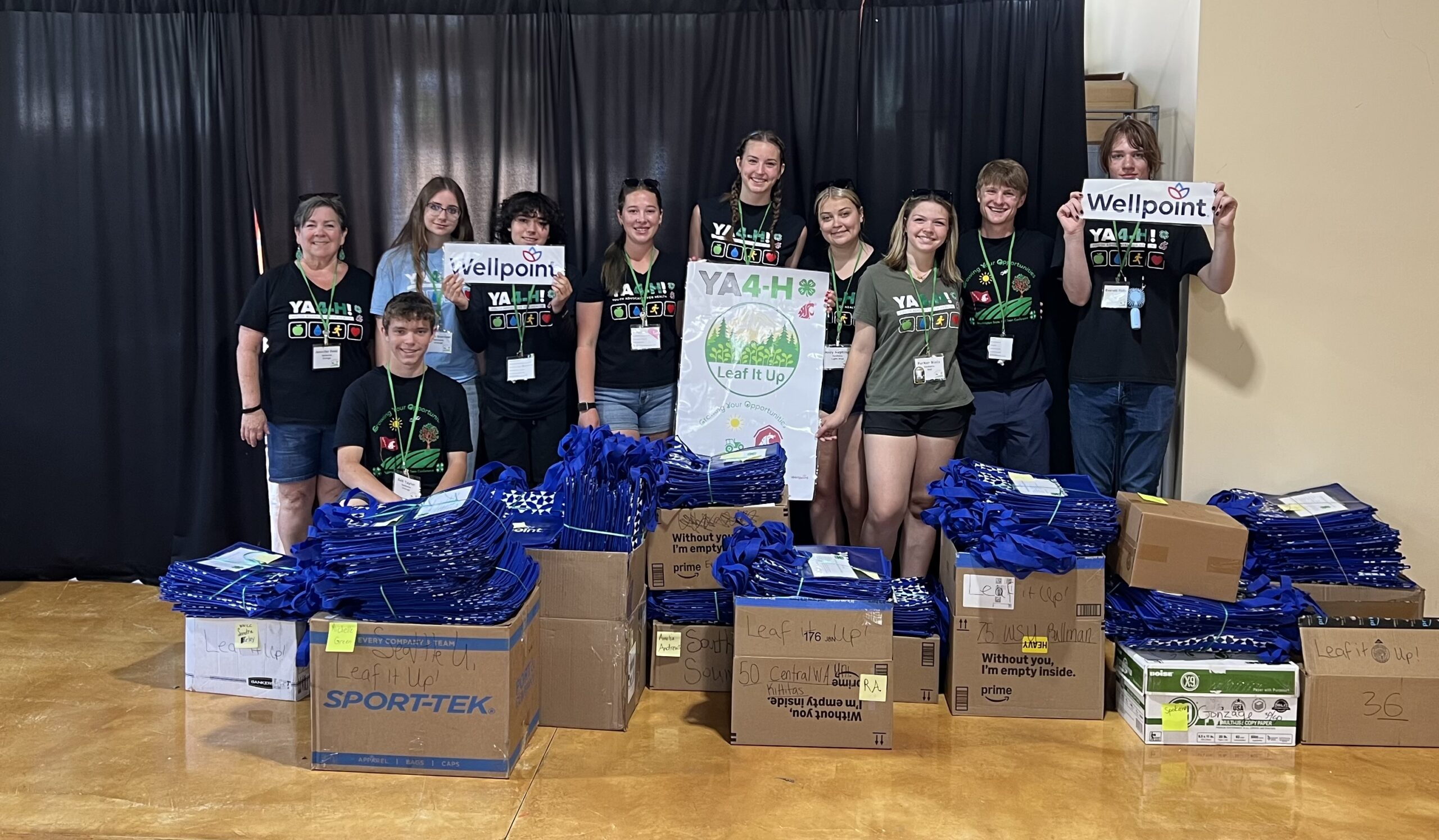
This year’s conference featured a unique youth-led service project. After learning that approximately 44% of Washington college students face food insecurity, the conference’s 4-H teen facilitators launched the Leaf It Up project and secured over $2,500 in donations to provide support.
“Our service project was an impactful way to make a tangible difference,” said 4-H teen and conference committee leader Parker Blais. “We built microgreen growing kits to provide a simple, nutritious, and affordable way to address food insecurity.”
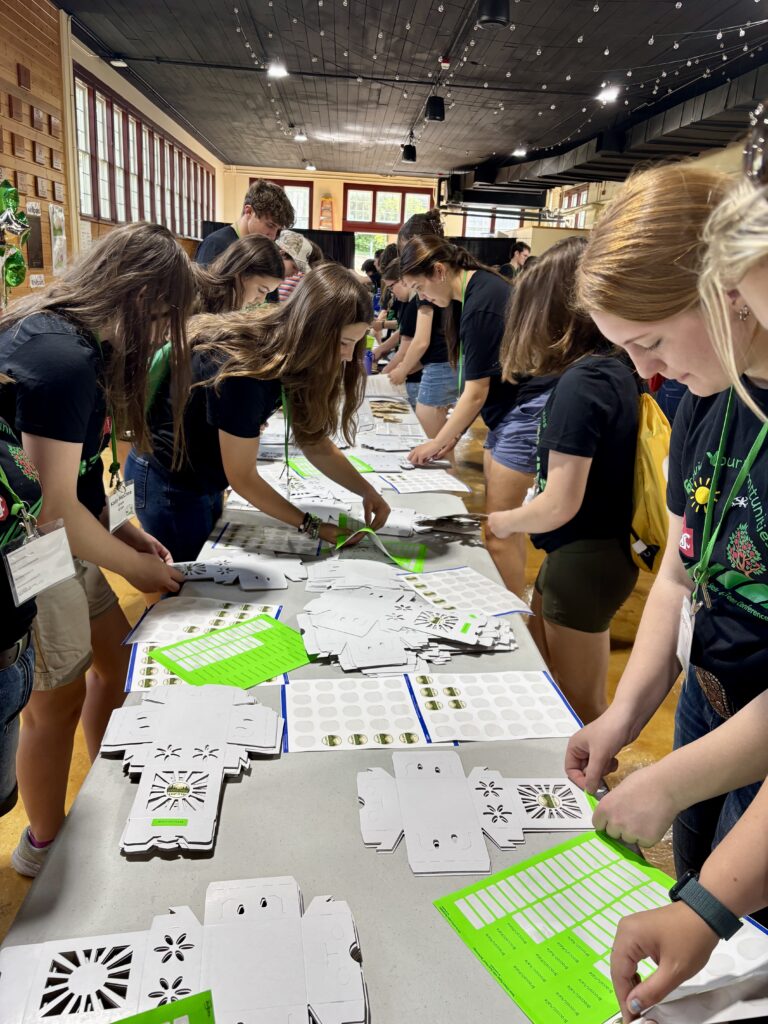
The kits were distributed to 600 college students across nearly a dozen campuses. They included recipes, growing instructions, and a QR code linking to a follow-up survey, allowing recipients to report on their use and outcomes.
“Microgreens are easy to grow, don’t require much space, and provide essential nutrients, making them perfect for college students with limited access to fresh food,” said Blais. “Watching our ideas turn into action showed me how much impact we can make when we work together.”
The data collected from the kits will help shape future service projects, continuing the cycle of youth-driven innovation.
This year’s 4-H conference marked the first extended trip away from home for many participants. For conference veterans like Blais, it was a great reminder of how powerful the experience can be.
“Each year brings new faces, fresh energy, and an even stronger sense of community, which keeps me coming back,” she said. “I walked away feeling more confident, supported, and excited about the future of youth leadership in Washington. There’s something really special about being surrounded by passionate people who are all working toward positive change.”
Beyond their service work, youth engaged in learning opportunities across the WSU Pullman campus. They examined beehives up close with the WSU Honey Bees and Pollinators Program, practiced clinical decision-making in the College of Veterinary Medicine’s simulation lab, toured athletic facilities, and connected with faculty, staff, and graduate students representing dozens of academic fields.
“Every year, more departments get involved to showcase their talents and the incredible things happening at WSU — this year included the most departments and colleges yet,” said Kelly Stewart, WSU Extension’s 4-H youth development program manager. “You could tell participants left excited and enriched by the experience.”
The conference was almost entirely planned and led by youth. Workshop electives were fully booked, and teen participants stepped more confidently into leadership roles as the week progressed, introducing speakers and leading presentations.
“It was a full lineup of engaging events,” said Mark Heitstuman, interim Washington State 4-H director and WSU faculty member. “I was impressed by how faculty, staff, and graduate students from the various colleges made STEM come alive.”
Keynote presenter Lupita Fabregas, Missouri’s state 4-H director, built on the conference’s themes of goal-setting and long-term personal growth.
“I heard from many 4-H’ers that her motivational message on setting and sticking with goals really resonated,” said Stewart. “She did a phenomenal job of connecting the dots between 4-H, goal-setting, and potential future careers.”
Toward the conference’s conclusion, Stewart saw a spike in applicants for next year’s teen leadership committee — from both 4-H members and non-members.
“We are seeing so many youth raise their hands to take on leadership,” she said. “That tells me this event and 4-H really matter to them.”
Learn more about WSU 4-H
4-H is the largest youth development program in the world. To learn more about the Washington State 4-H Teen Conference, 4-H programs and resources, or how to get involved, visit the WSU Extension 4-H website.