Is the nationwide university Cooperative Extension system poised for a seismic shift that supports community-based healthcare locally and across the country?
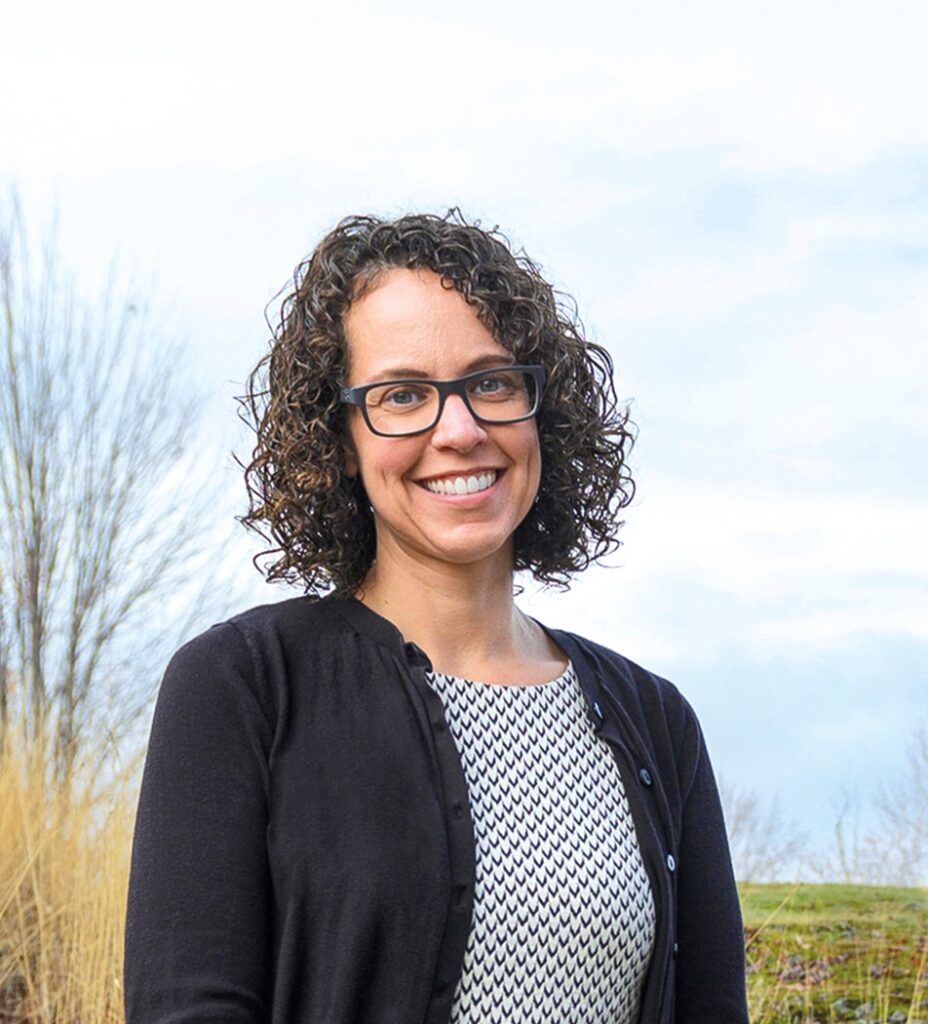
Elizabeth Weybright, associate professor and adolescent Extension specialist in Washington State University’s Department of Human Development, answers that question by envisioning an expanded role for Cooperative Extension in her new book, Health Extension: Community-Based Healthcare and the Future of Cooperative Extension.
“This book provides a road map for how to improve community-based healthcare by authentically engaging with the Cooperative Extension system,” Weybright said. “By leveraging university Extension, we can promote community health and connect individuals to health services.”
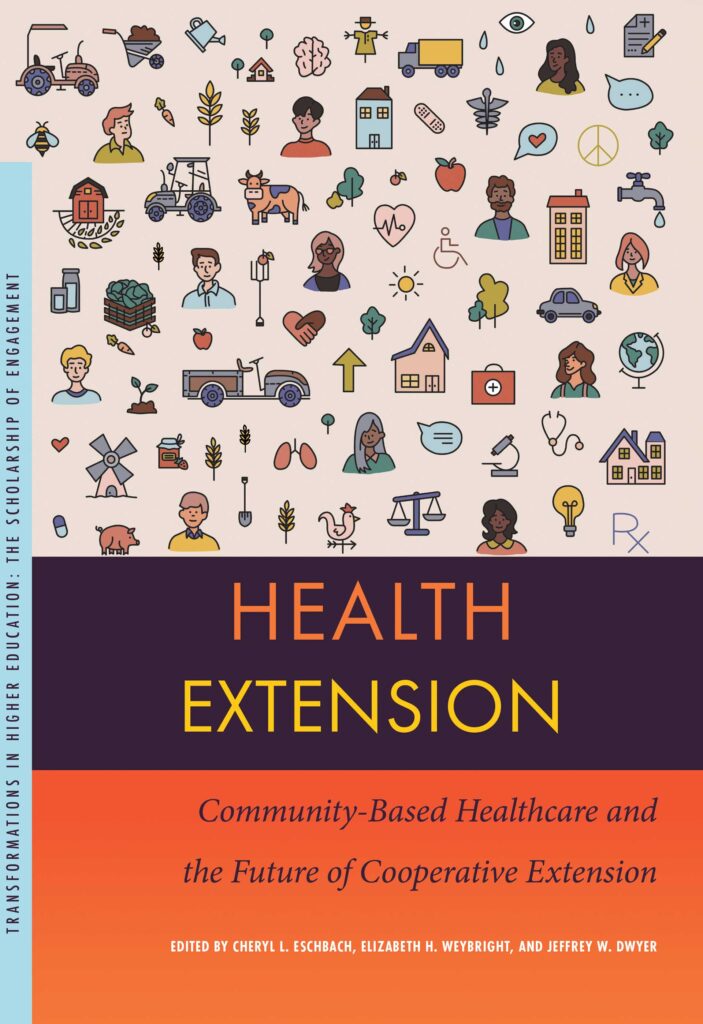
Scheduled for release Dec. 1, 2024, Health Extension: Community-Based Healthcare and the Future of Cooperative Extension draws on more than a century of Extension experience building community collaborations, engagement, and improvements.
Weybright and coauthors from Michigan State University identify a pressing need to address healthcare gaps in rural communities across the country. It will take healthcare providers working across state and federal institutions to promote health and address individual and community needs more holistically, according to the authors.
“Community-based healthcare recognizes the role that local organizations, services, and culture play in health,” Weybright said.
As research identifies areas where programs can pivot to address emerging community issues, Extension can train community members how best to meet those needs.
“By nature, the work we do in Extension is community-engaged,” Weybright said. “We listen to the problems communities are having and respond with science- or evidence-based programming.”
WSU Extension has a long history of boosting community wellness in Washington state through programming like 4-H Youth Development, Master Gardeners, and the Supplemental Nutrition Assistance Program Education (SNAP-Ed).
Extension’s Department of Human Development Strengthening Families Program for Parents and Youth 10-14 years old is an evidence-based parenting program that works to prevent youth substance misuse, strengthen parenting skills, and build family cohesion. Research shows that families demonstrate higher levels of positive communication afterward and youth are less likely to engage in substance use in the long term.
“If we want to address a health outcome of interest, it’s important to acknowledge that we need to do it in multiple ways, at multiple levels, whether it’s youth firearm injury or preventing substance misuse,” Weybright said.
In addition to teaching, Weybright and colleagues in the human development department and Extension study these types of outreach, then support individuals and organizations across the state in their own program delivery. Pairing research with training and program support broadens and fulfills the land-grant mission of teaching, research, and outreach.
“WSU has the Elson S. Floyd College of Medicine and health sciences campus, so there will be more opportunity through Extension as the outreach arm of the university,” Weybright said.
As Extension faculty and staff continue to support the health and well-being of individuals and communities across the U.S., Weybright’s new book points to a brighter, healthier future for Washington state through engagement with WSU Extension.
“This book helps people understand what Extension is to connect with us more easily, then helps people outside of the Extension system see what we could accomplish together with our combined resources, providing community leaders, healthcare researchers, and Extension- and academic- professionals with a way forward,” Weybright said. “They’ll be able to say, ‘This is how Extension can partner with me’ after reading it.”