WSU students raise funds to support Northern Mariana Islands amid unprecedented typhoon activity
Ånufat Terlaje-Pangelinan and Rosemarie Faisao were attending the National Society of MANRRS conference in Dallas with several other Washington State University students when Super Typhoon Sinlaku hit their home island of Saipan last spring.
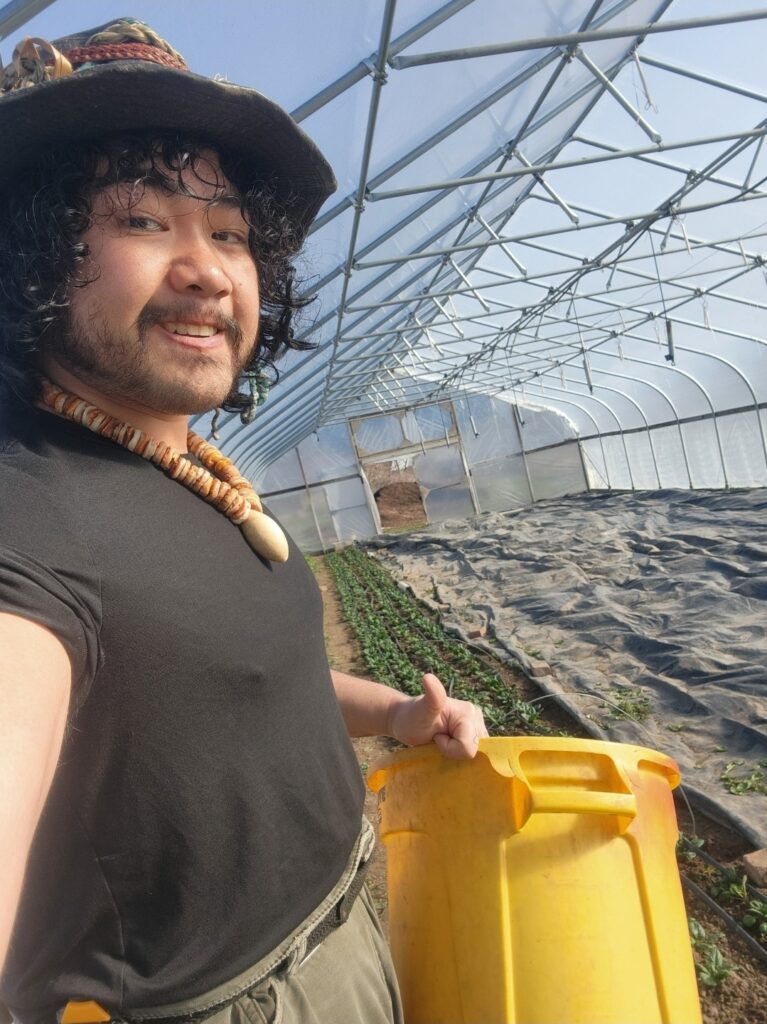
“It was unnerving because April is way too early for typhoon season,” said Terlaje-Pangelinan, a senior organic and sustainable agriculture major. “After returning to Pullman, we received news that all of the Northern Mariana Islands had been ravaged by a storm more powerful than anything we’d ever seen before.”
With phone services down, many students from the islands couldn’t contact their relatives and friends.
“It was devastating, especially because we weren’t with our families,” said Faisao, also a senior organic and sustainable agriculture major.
After they finally reached their loved ones a week later, the extent of the destruction became painfully clear.
“A lot of our forests are now barren wastelands,” Terlaje-Pangelinan said. “The agroforest that my family tended for more than 70 years is almost entirely destroyed.”
Terlaje-Pangelinan soon received a call from Jude Litulumar, a friend from Saipan who is currently attending Portland State University. Together, they brainstormed ways that Micronesian and Pacific Islander students at both universities could help those back home.
With support from CAHNRS and MANRRS, the WSU students posted flyers around the Pullman campus and surrounding communities. They also held barbecues to raise relief funds and shared fundraising links, including a GoFundMe account created by Saipan resident Lauren Cabrera, a PhD student in WSU’s College of Veterinary Medicine. The GoFundMe has raised more than $125,000.
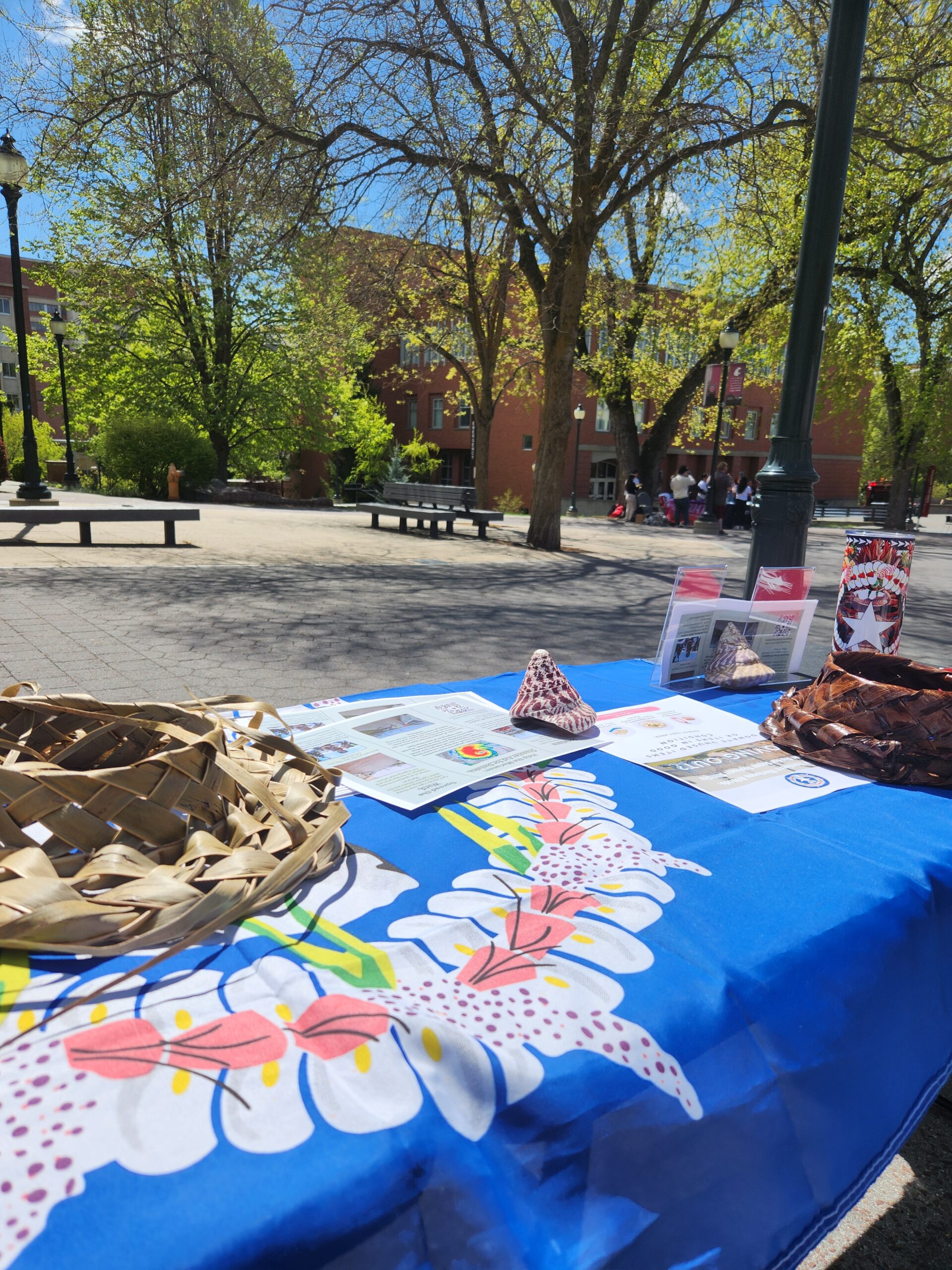
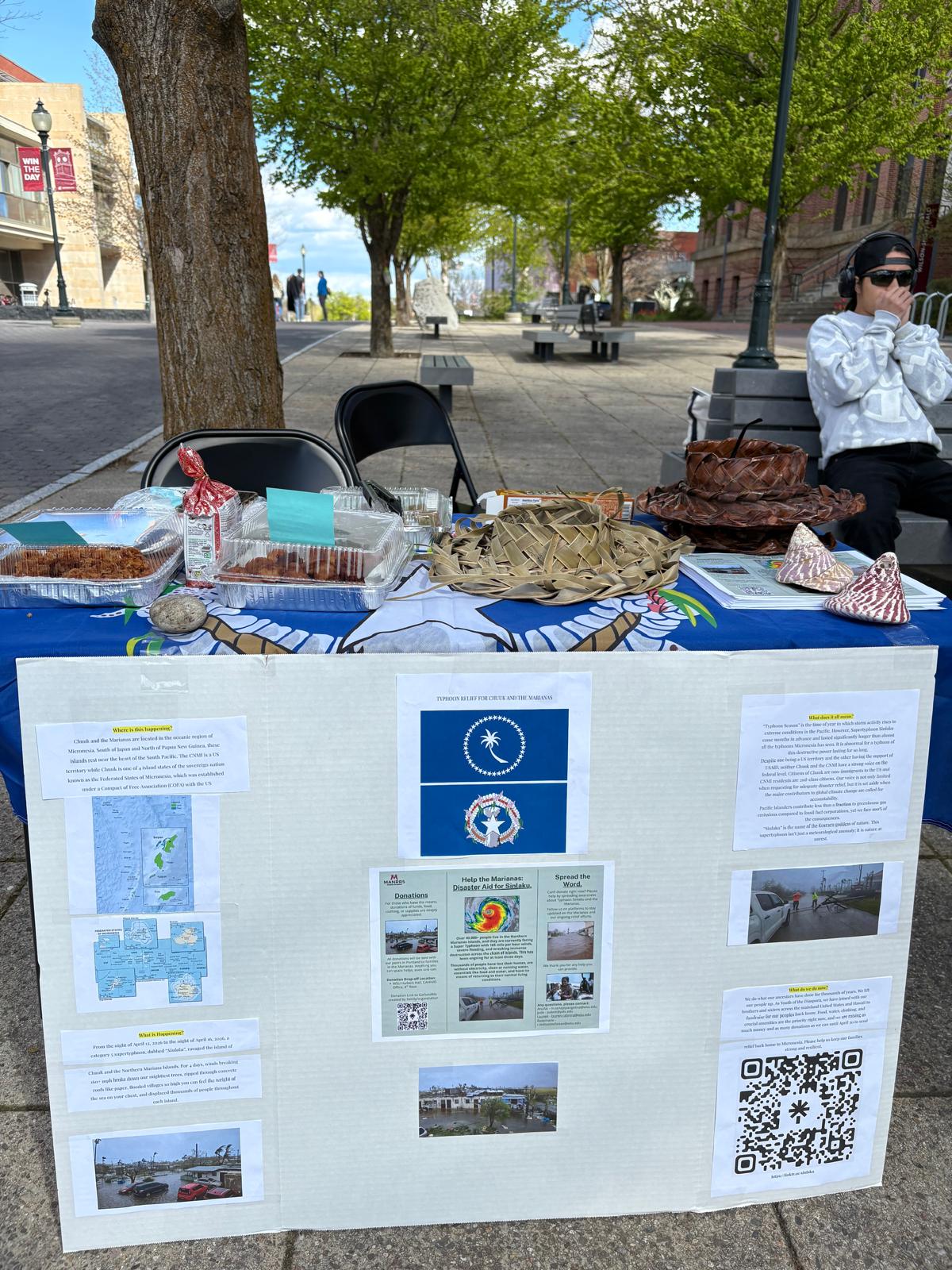
During tabling events on the Glenn Terrell Mall, the group accepted physical and digital donations while spreading awareness about climate change’s impact on Pacific Island communities and its role in producing more powerful typhoons.
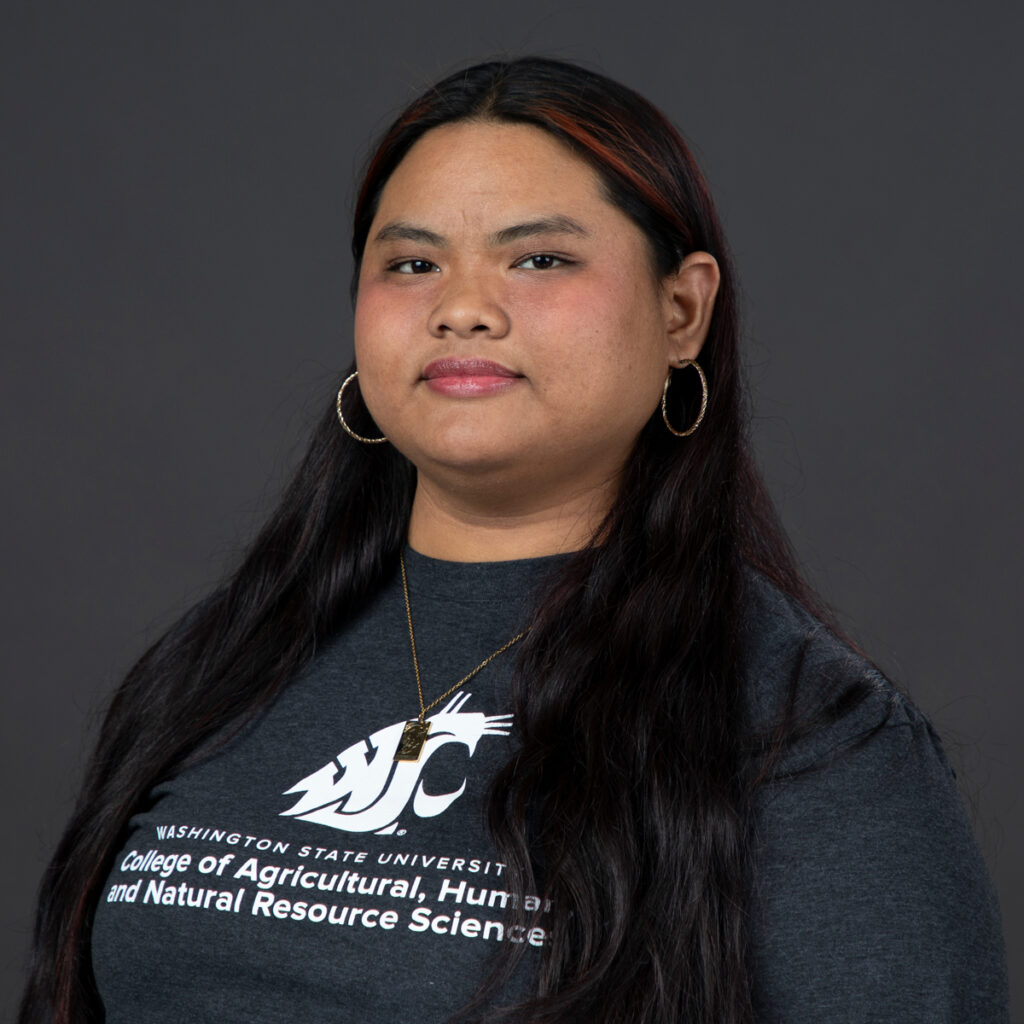
“It was really meaningful because we met other Micronesian students at WSU that we didn’t know,” Faisao said. “We all came together to help our island, even though we couldn’t physically be there. I’m so appreciative of the Pullman locals who donated cash, clothes, and food.”
The support was unprecedented, Terlaje-Pangelinan added.
“We are very grateful for the involvement of the student population, the Pullman community, and the university,” he said. “We weren’t expecting to receive so much help so quickly, but word traveled fast. It was amazing.”
The group purchased canned goods, diapers, clothing, and baby formula with the cash, shipping the items in May. Euneen Mendiola, a coordinator for fundraising efforts on the island of Tinian and the students’ main point of contact with the diasporas in the Pacific Northwest, was instrumental in helping the group send bottled water. Mendiola’s family also assisted in the effort.
“These students have been extremely resourceful,” said Colette Casavant, CAHNRS director of student success and academic advising. “I think it was very impactful for our other WSU students to see this group gathering together to support their communities back home.”
An Ongoing Partnership
When Casavant and Miguel Inzunza, CAHNRS director of student recruitment and retention, first visited Saipan in 2024 to establish a partnership with Northern Marianas College (NMC), they were delighted to learn that many WSU alumni already live there.
“I absolutely see this alumni network growing,” Casavant said. “I hope that when students on the islands see others come to WSU and thrive, they’ll know that education in another part of the world is possible and that they’ll be supported.”
Using funds from a USDA NIFA NextGen grant, CAHNRS offers scholarships that help NMC students transfer to WSU and pursue bachelor’s degrees. Faculty from horticulture, ag education, Extension, and other departments have also recently visited Saipan, showcasing all that CAHNRS has to offer.
Faisao, who, along with Cabrera and Terlaje-Pangelinan, is a NextGen grant recipient, said that meeting the CAHNRS representatives is what encouraged her to enroll at WSU.
“Colette and Miguel’s visit made me fall in love with CAHNRS,” Faisao said. “That was my first experience with someone from the states coming to our islands. They spoke so highly of CAHNRS and connected us with other Micronesian students who were already attending WSU. Knowing I had that support meant a lot, and it made me feel secure and confident that I’d succeed.”
Both Faisao and Terlaje-Pangelinan are very involved within the college. This year, Faisao is a CAHNRS student ambassador and president of the WSU chapter of MANRRS, an organization that supports academic and professional advancement for students in agriculture, natural resources, and related sciences. Terlaje-Pangelinan, who spent the summer working on the WSU Eggert Family Organic Farm and with the WSU Bee Program, is this year’s WSU MANRRS secretary. WSU MANRRS secretary.
“Having these students here has been a wonderful experience,” Casavant said. “For our students from the states, it offers insight into another community they may not be familiar with. It has helped them more deeply value the history, culture, experience, and perspective of that community.”
Both Faisao and Terlaje-Pangelinan intend to use their degrees to help their communities. Faisao is interested in learning more about how soil science could help Saipan grow its own crops more effectively.
Meanwhile, Terlaje-Pangelinan is considering grad school, with plans to eventually return to Saipan after spending time as a researcher or working with Extension. He is especially interested in climate resiliency and agroforestry research that could help buffer the islands during storms like Sinlaku and Bavi, another super typhoon that hit the region in July.
“The main point for many Pacific Islanders in the Marianas is to leave the islands for school and eventually come back,” said Terlaje-Pangelinan. “In light of these recent typhoons, I want to provide Extension and community service opportunities that will help my people become more self-sufficient.”